
How does a wedding venue buyout work?
A buyout gives you exclusive use of a whole property for a minimum stay of two or three nights, and at many venues you pay for every room whether or not guests fill them.
A buyout means exclusive use of the entire property for a minimum stay, usually two or three nights, with no other guests on site. Rooms are often bundled into the price, so at many venues you pay for them whether or not guests fill them, and food-and-beverage minimums or venue fees can sit on top. “Buyout” is used loosely, so ask whether privacy covers the whole stay or only the wedding day.
In this guide
At a glance
- Usual minimum stay
- 2 nights, sometimes 3
- Rooms
- Often paid for, filled or not
- Beds on site
- Typically 40 to 80 at an Italian estate (Italian Venues)
- Starting rates
- From $10,000 a night at a US boutique hotel (Vogue)
What does a buyout mean?
A buyout means you hire the whole property, so that nobody outside your guest list is on site. The word is used loosely. Gilbertsville Farmhouse, a US estate venue, lists three tests for a true buyout: nobody else is on the property, you are not charged extra to make it private, and the privacy lasts the whole stay, not a four-hour window.
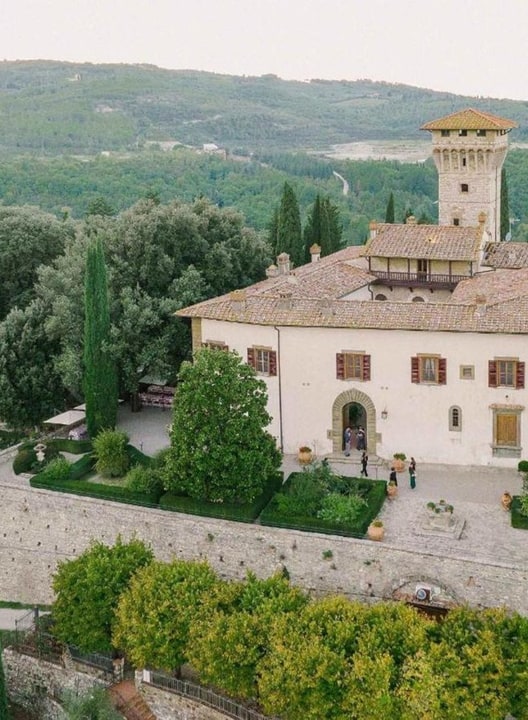
Italian Venues, a venue directory, describes three shapes of exclusive use. A private villa can be exclusive for the day, with nobody sleeping there. An estate or borgo is yours for two or three nights, rooms, pool, gardens and kitchen included. A full buyout is a working hotel closing to the public, as at Villa Cimbrone in Ravello, which the directory says requires a two-night buyout of all 19 rooms for weekend weddings.
How is a buyout priced?
Pricing depends on the type of property, and some publish a starting rate. Vogue’s list of 13 boutique hotels under 50 rooms gives “from” nightly buyout rates, and, counting its entries, six list a food-and-beverage minimum or fee and four a separate venue fee. A hotel-side opinion piece written for hoteliers recommends adding a 15% to 25% exclusivity fee to room revenue, guaranteed food-and-beverage minimums and 100% attrition clauses, so treat that as the seller’s view of how to price, not a published norm.
These are published starting prices for each property’s base package, not quotes for your date, and what they include differs.
| Property | Published starting price | Terms |
|---|---|---|
| SingleThread Inn, California (US) | From $10,000 a night | Two-night minimum; food-and-beverage minimum and venue fee apply (Vogue) |
| The ViewPoint, York, Maine (US) | From $13,500 a night | Two-night minimum; 46 hotel guests, up to 150 wedding guests; venue fee applies (Vogue) |
| Shou Sugi Ban House, New York (US) | From $56,000 a night | Three-night minimum; 46 hotel guests, 50 wedding guests (Vogue) |
| Gilbertsville Farmhouse, New York (US) | From $130,312 plus tax | Friday 11 am to Sunday noon, all weekend catering included, lodging not included (its own page) |
| Borgo Stomennano, Monteriggioni (Italy) | From €22,000 for two midweek nights (2027 price list) | Exclusive use for 38 people, 10% VAT included; a reception fee of €3,360 to €5,500 is extra (venue’s own price list) |
One commenter in r/DestinationWeddings, planning for 60 guests in the Provence region, said they had just booked a venue for $25,000 USD for two nights and three days, including breakfast and beds for 28 guests. That is one person’s report, so use it only as a prompt to ask for real quotes.
Who pays for the rooms?
At many properties you pay for them yourself. Italian Venues says estate hire usually bundles the rooms and that you pay for them whether guests fill them or not, so it advises budgeting them as a venue cost and deciding then whether to absorb them or ask overnight guests to contribute. A 14-room hotel in Palm Springs says the same on its own page: a signed contract and 25% deposit confirm the buyout, every room is paid for occupied or not, and guests book their rooms through a link. Gilbertsville Farmhouse sits on the other side: its starting rate covers the estate and catering, and guests book and pay for their own rooms through a lodging block.
Beds on site rarely cover everyone. Italian Venues notes that even generous Italian estates typically sleep 40 to 80, with family and the wedding party on the property and others at nearby hotels.
Plan who sleeps where before you sign. Who pays for guests’ rooms covers the etiquette, room blocks cover the overflow hotels, and on an Aisle wedding website guests can book and pay for their rooms: guest room booking.
When is a buyout better than a room block?
A buyout makes sense when privacy and a longer weekend matter more than flexibility, and a room block makes sense when the guest list is uncertain. The right size depends on the property: the Palm Springs hotel positions its 14-room buyout for groups of 20 to 30 and says that below 14 rooms you book a room block without exclusive use, while Gilbertsville Farmhouse sets a minimum of 120 guests for its buyout of a 125-acre estate.
Ask where a property draws the line between a block and a buyout, and whether midweek dates soften the minimum and the price, as Italian Venues says they often do. If you are browsing, venues in Italy is a place to start.
What should you ask before you sign?
- Will anyone outside my guest list be on the property during my stay, and is there a fee to make it private?
- Does the privacy last the whole stay, or only the wedding day?
- What is the minimum stay? Italian Venues notes weekend minimums of two nights at buyout-required properties, with many estates preferring three, and Castello di Petrata says most exclusive-use venues require two or three nights.
- What is bundled: rooms, breakfast, catering, a house team?
- What does the food-and-beverage minimum do if headcount drops?
- Is there an attrition clause on rooms, and what are the deposit and payment dates?
- Are there local music or noise limits? At Villa Cimbrone, amplified music stops at midnight under the town’s rules, per Italian Venues.
Get the answers in writing and compare at least two properties. The prices above are published starting points, not quotes for your date.