How do you choose your wedding colors?
Choose two to five wedding colors by starting from your venue and season, picking one or two main colors, then adding a second color and an accent in roughly a 60/30/10 split.
Choose two to five colors: one or two main colors that cover most of the day, one or two secondary colors, and one accent for small pops. The Knot suggests roughly 60% main, 30% secondary and 10% accent, and recommends settling on a palette at least about 10 months ahead. Start from your venue and season, because they limit which colors will look right.
In this guide
At a glance
- Number of colors
- 2 to 5 (The Knot)
- Usual split
- 60% main, 30% second, 10% accent
- Settle by
- About 10 months ahead
- Top 2026 color
- Green, 53% (Zola survey)
How many colors should a wedding have?
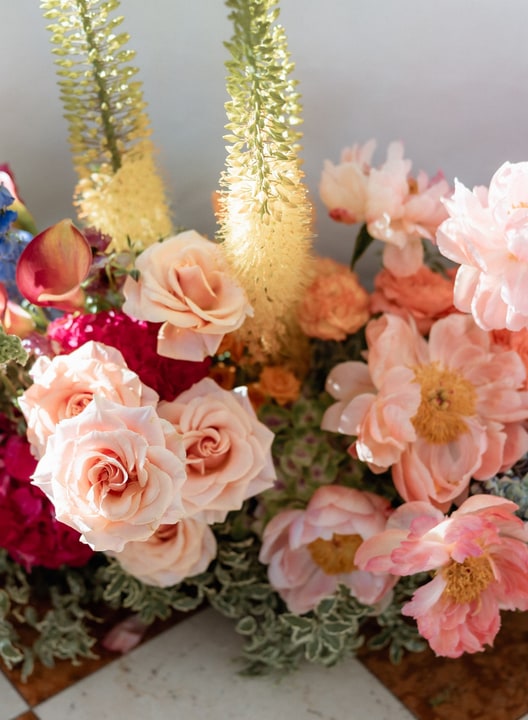
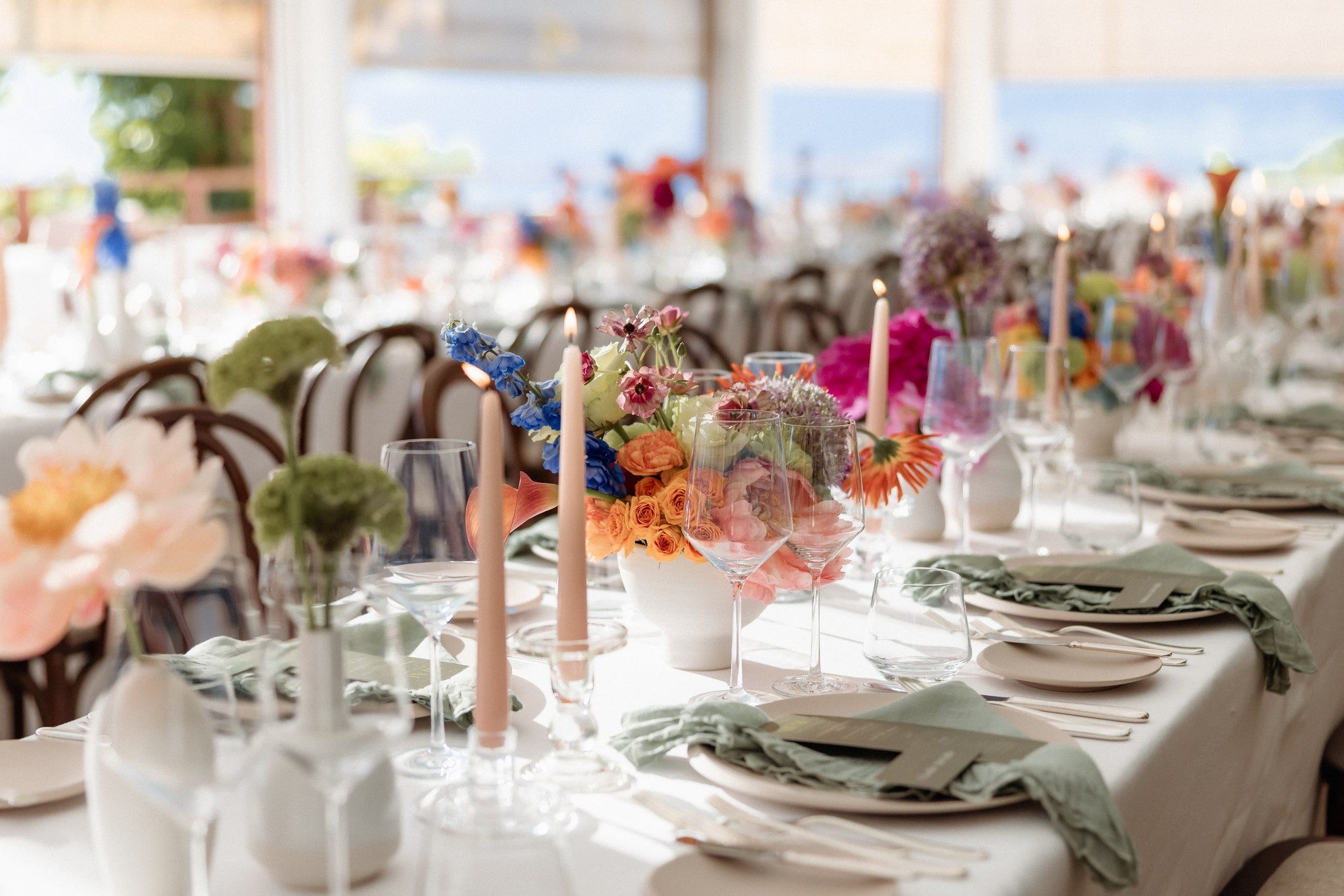
Two to five. The Knot says you do not need to stop at two, which it calls limiting, and suggests dividing a palette into two primary colors, one or two secondary colors and one or two accents. The primary colors make up the bulk of the day, the secondary colors appear in smaller items such as linens and larger areas of flowers, and the accents add small pops to tables and decor.
The Knot also borrows an interior design formula: if your main colors take up 60% of the space, the secondary colors should cover 30% and the last 10% goes to accents. It stresses these are guidelines. Matching every detail exactly is not required, and The Knot says a tonal look often reads as more sophisticated than a matchy one.
How do you pick your colors, step by step?
Gather inspiration first, narrow it down, and only then name colors. The Knot’s method, in short:
- Collect images in one place: real weddings, rooms you like, art, and the colors you already have at home.
- Cut the pile down by style and mood. The Knot says nearly any color can work if the shade is right, for example a rich eggplant for a moody, romantic day where bright purple would not.
- Choose one or two primary colors from what appears most in your images.
- Add a secondary color that deepens or bridges the primary colors, such as a forest green with a sage green.
- Use a color wheel to choose an accent, then search for examples of your combination to check it holds up.
On timing, The Knot says to settle on a palette at least about 10 months ahead. It notes you might choose the venue first, since the venue’s own decor can show which colors look cohesive and which clash.
What colors are couples choosing?
Green shows up in both of two recent US surveys, though they ask different people. In The Knot Real Weddings Study 2026, covering couples married in 2025, 36% used light green, 29% used light blue and 26% used dark green, and 60% described their wedding style as semi-formal. In Zola’s 2026 First Look Report, which Zola’s page describes as a survey of 11,500+ couples planning 2026 weddings, 53% planned some form of green, with sage green the single most common color at 30%.
| Color | Share of couples | Source and group |
|---|---|---|
| Light green | 36% | The Knot, married in 2025 |
| Light blue | 29% | The Knot, married in 2025 |
| Dark green | 26% | The Knot, married in 2025 |
| Any green | 53% | Zola, planning 2026 weddings |
| Sage green | 30% | Zola, planning 2026 weddings |
| White | 39% | Zola, planning 2026 weddings |
| Blush | 19% | Zola, planning 2026 weddings |
| Terracotta, rust (each) | 7% | Zola, planning 2026 weddings |
| Champagne | 5% | Zola, planning 2026 weddings |
The Knot recruited its respondents from its own and WeddingWire’s members, and Zola’s page does not say how its couples were recruited, so read both as trends, not rules. Popularity is also not a reason to pick a color. Zola’s own view is that highly saturated colors can sometimes clash on camera or date quickly in photos while earthy neutrals photograph well, which is an opinion rather than a measurement.
What does a finished palette look like?
Zola’s forecast builds four palettes around sage green and says what each suits. They show how a main color, a second color and an accent fit together.
| Palette (Zola’s name) | Colors | Zola says it suits |
|---|---|---|
| Secret Garden | Sage, dusty rose or blush, champagne, cream | Spring weddings, historic estates, botanical gardens |
| Desert Chic | Sage, terracotta or rust, sand, dried palm | Late summer or autumn, outdoor settings, tents |
| Quiet Luxury | Sage, ivory, charcoal grey, matte gold | City lofts, museums, hotel ballrooms |
| Monochromatic Nature | Sage, deep forest green, olive, moss | Winter weddings, wooded venues, industrial spaces |
What changes for a destination wedding?
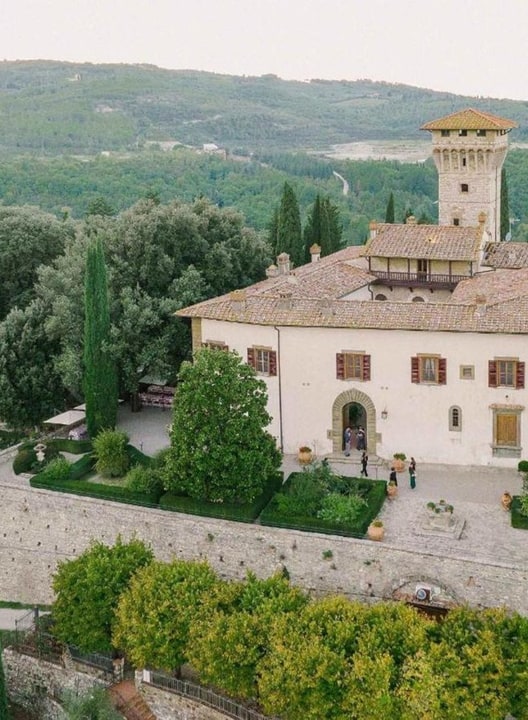
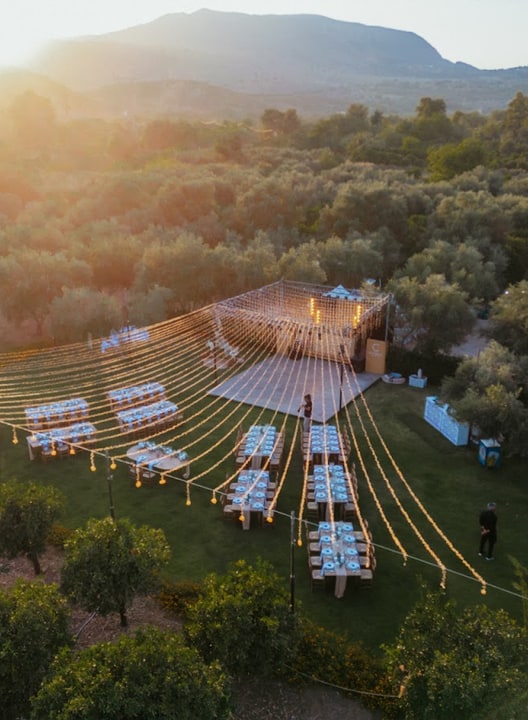
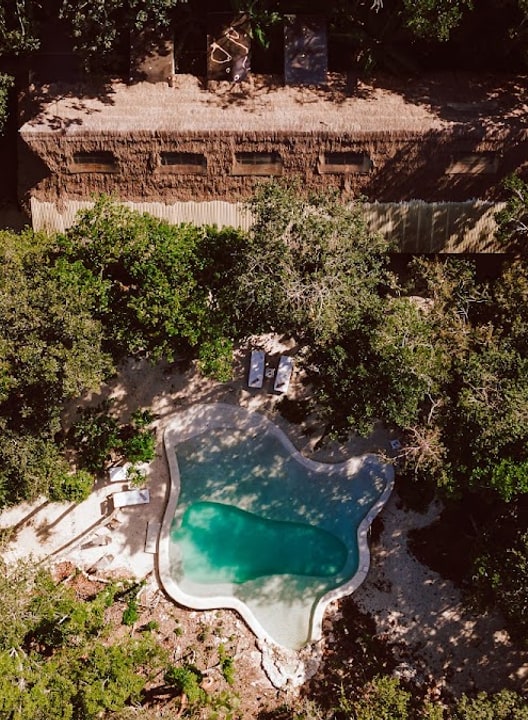
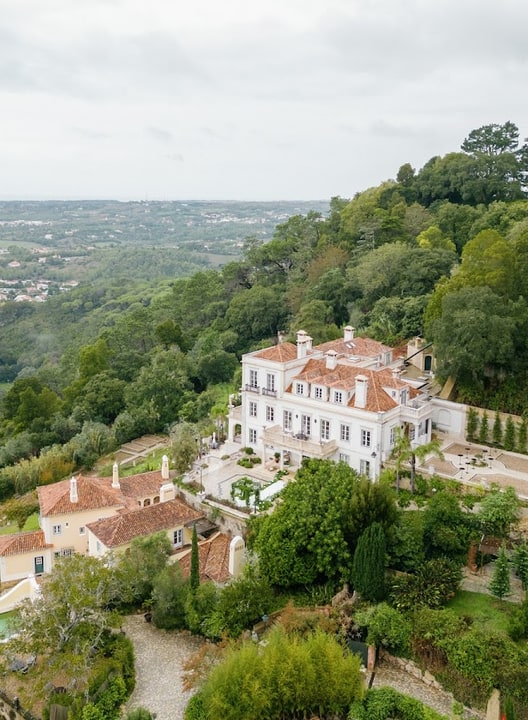
Let the place do some of the work. Zola’s destination checklist points out that everything has to fit on the plane, so a naturally scenic venue means less decor to carry. It advises picking your palette early and keeping photos on a shared board for your vendors, since you will mostly talk to them online, and, for your own outfit, choosing fabric to suit the climate.
For weather and seasons, see destination wedding weather planning. If you are inviting guests to dress to a palette, put the dress code on your site: see what to wear to a wedding and the wedding dress code tool.