Wedding venues in Japan
Browse 80 wedding venues in Japan by region, with capacity, price and airport where the venue has published them.
Guests, season, budget. A shortlist comes back in about a minute, no sign-up needed.
Venues in Japan, page 2
Venues that reply to couples come first
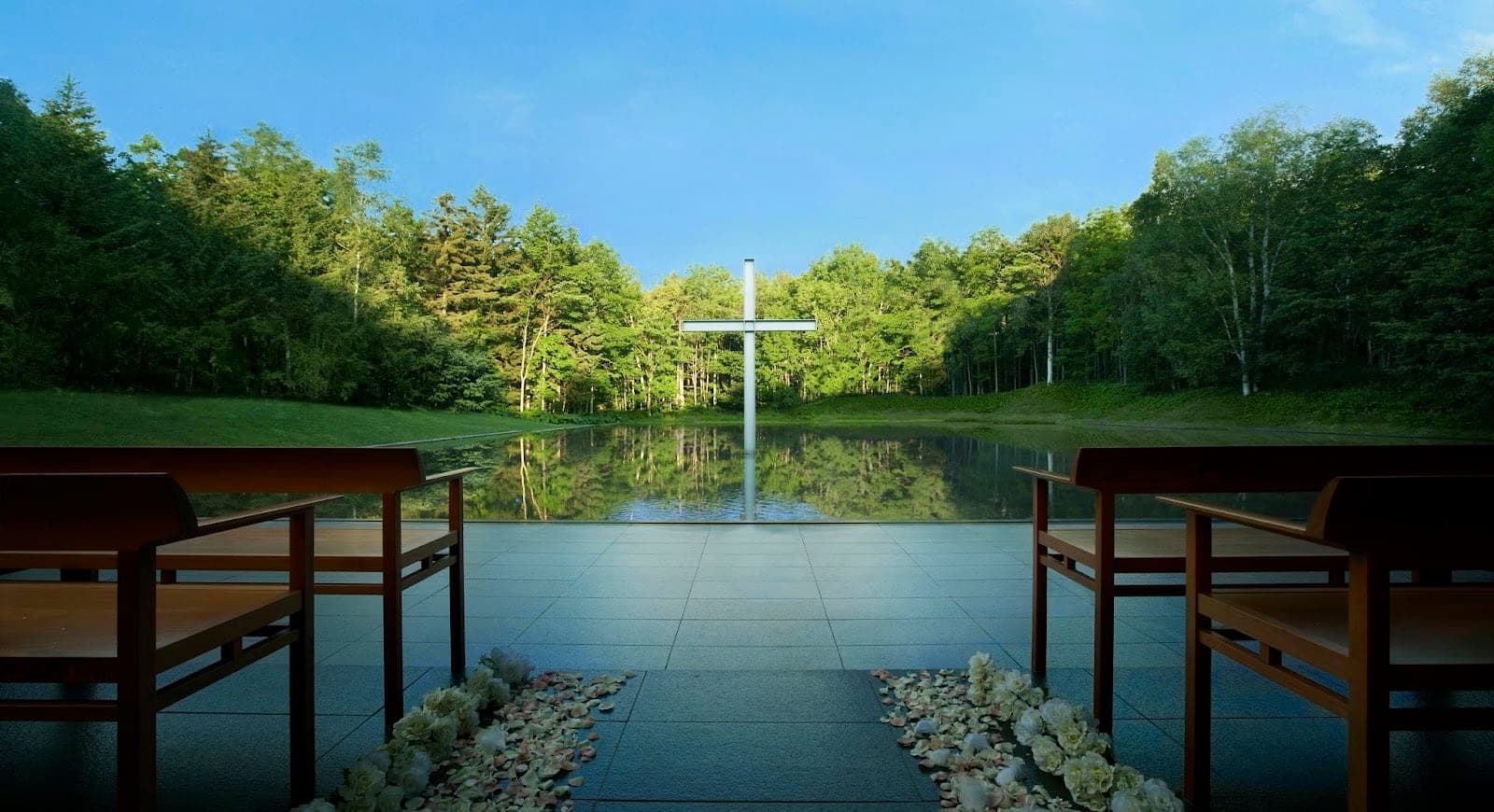
Chapel on the Water, Hoshino Resorts Tomamu
Shimukappu · Resort
- From JP¥300,000 venue fee est.
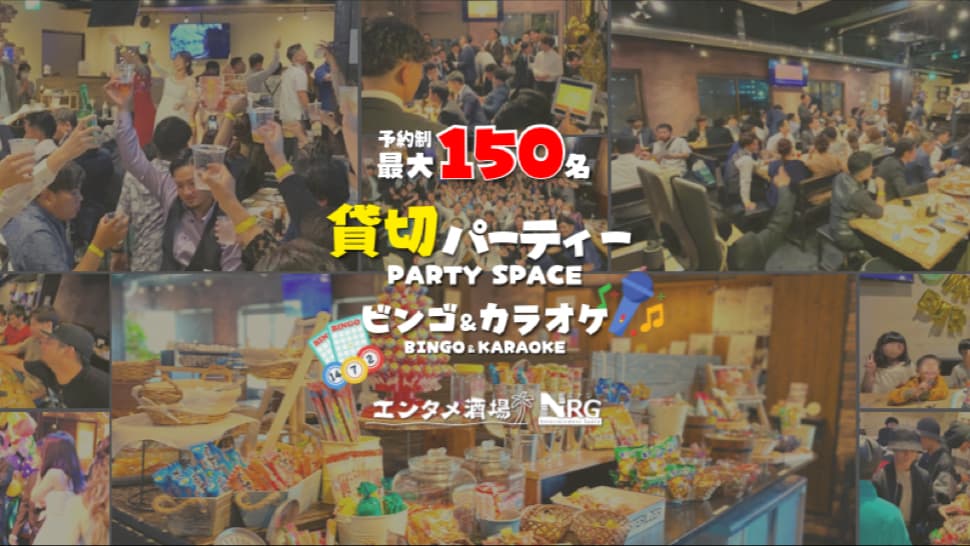
Lite Party NRG (ライトパーティーエナジー)
Akamichi, Okinawa · Estate
Located in central Okinawa, Lite Party NRG operates as a flexible estate venue where couples manage their own vendor selections and timeline, a practical approach that typically reduces destination wedding costs by 20-30% compared to all-inclusive resorts. The 2F space accommodates 20-150 guests with full event control, making it ideal for couples prioritizing budget efficiency and customization over packaged services.
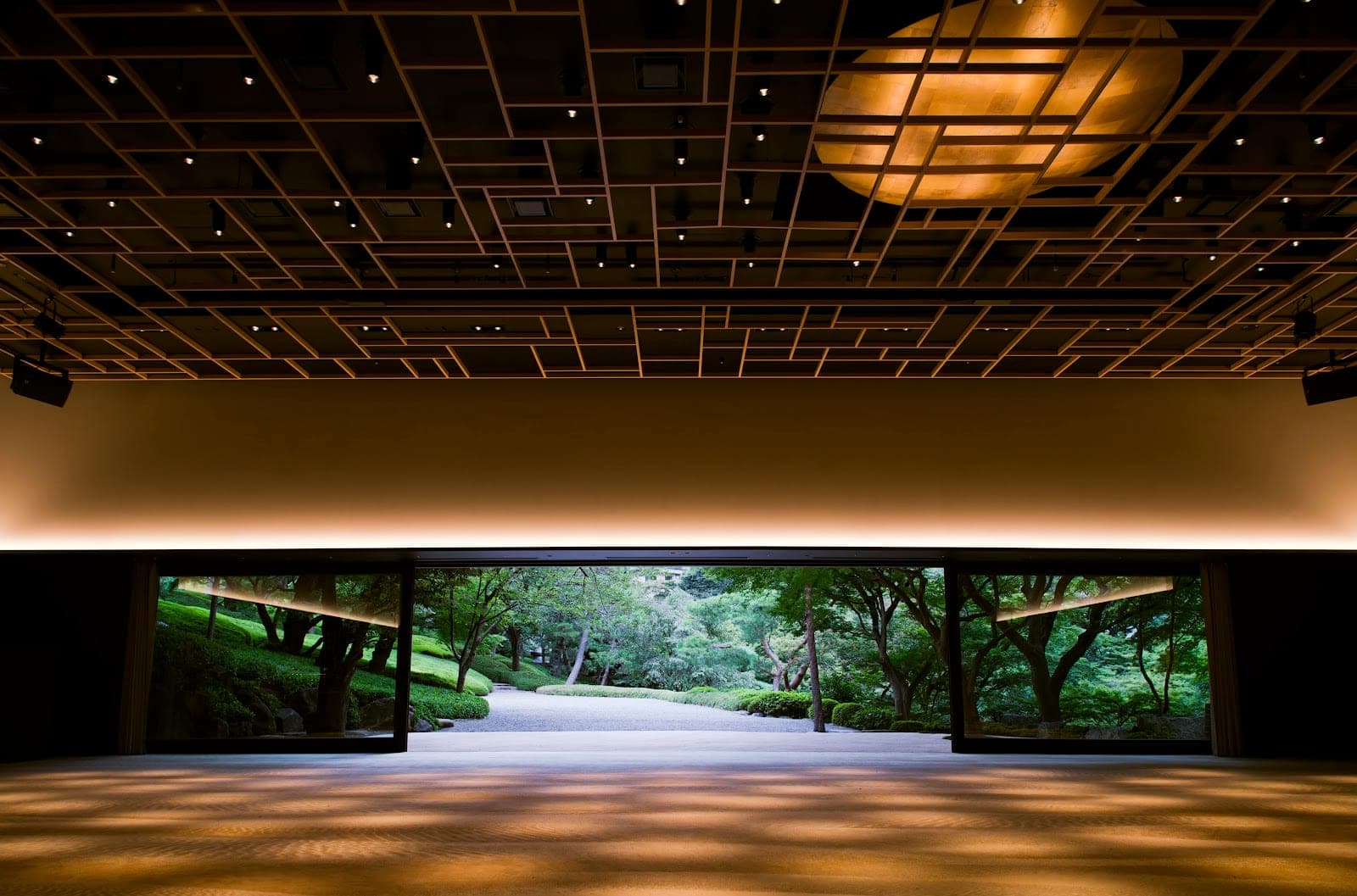
Happo-en
Shirokanedai · Garden
- From JP¥30,000 a head est.
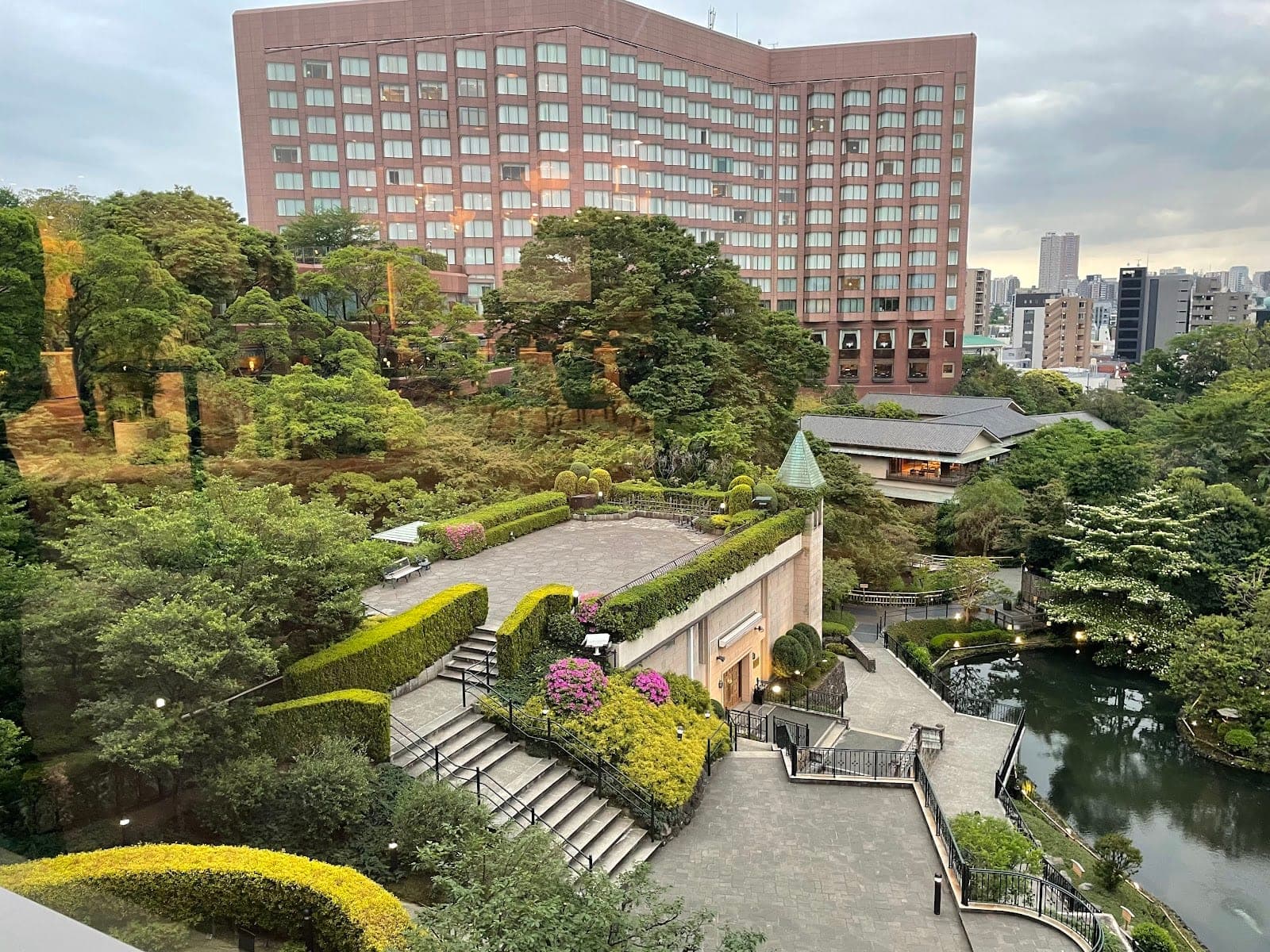
Hotel Chinzanso Tokyo
Bunkyo · Hotel
- 265 rooms
Hyatt Regency Seragaki Island, Okinawa
Onna, Okinawa · Resort
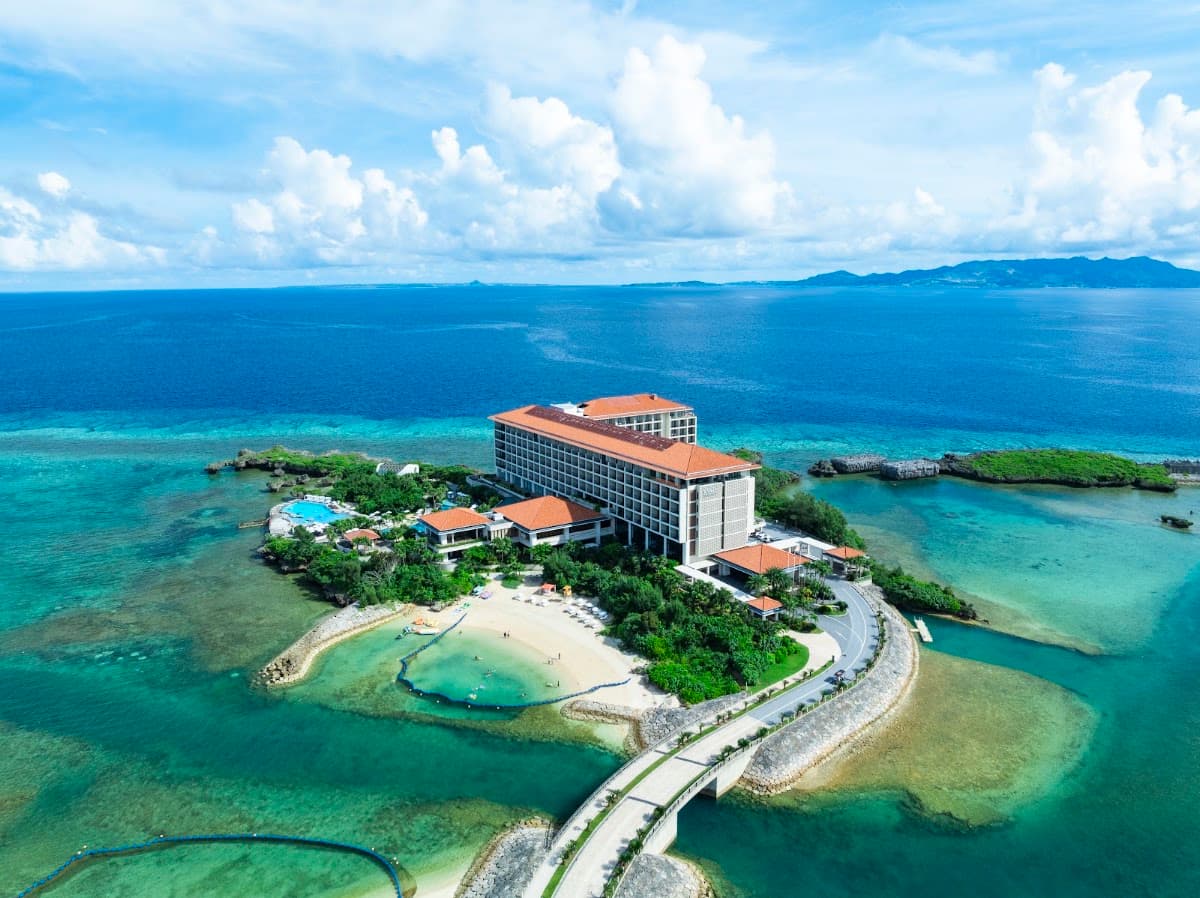
Seragaki is a small island off the Onna coast joined to Okinawa by a causeway, and Hyatt took the whole of it for the group’s first beach resort in Japan. The wedding building is the reason it earns a place here rather than the beach. The Seragaki Island Chapel is a warm timber room under a glass roof with a 32-foot aisle pointed straight out at the water, and it seats up to 40. Receptions run in banquet spaces of 60 to 150 square metres with the sea in the windows, or outdoors for a cocktail hour on the shore, and the resort keeps a wedding salon on site for planning, with Arluis Wedding handling the production. Okinawa’s advantage over the mainland for an international guest list is that nobody has to learn a ritual: the ceremony is secular, the dress code is what you would wear at home, and the resort has done this hundreds of times. The constraint is the same as everywhere in the prefecture, which is the typhoon window from June to September.
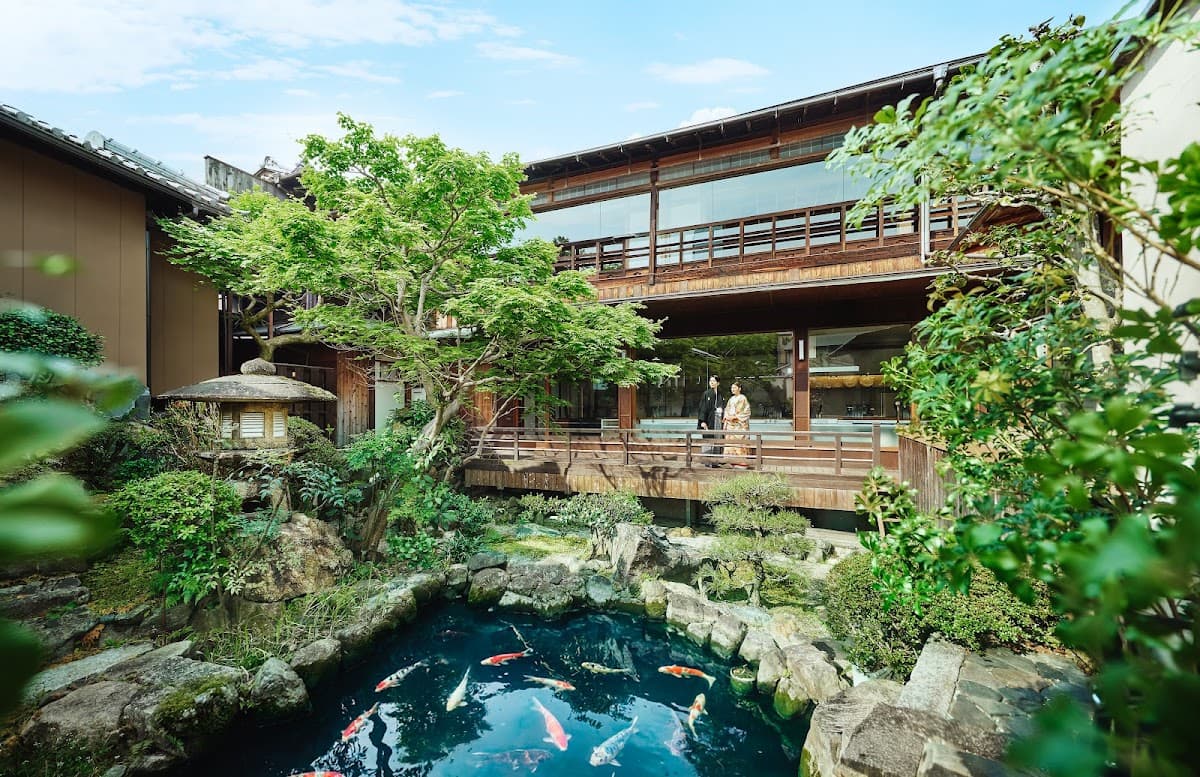
Kotowa Kyoto Nakamuraro
Gionmachi Minamigawa, Kyoto · Estate
- From JP¥45,000 a head est.
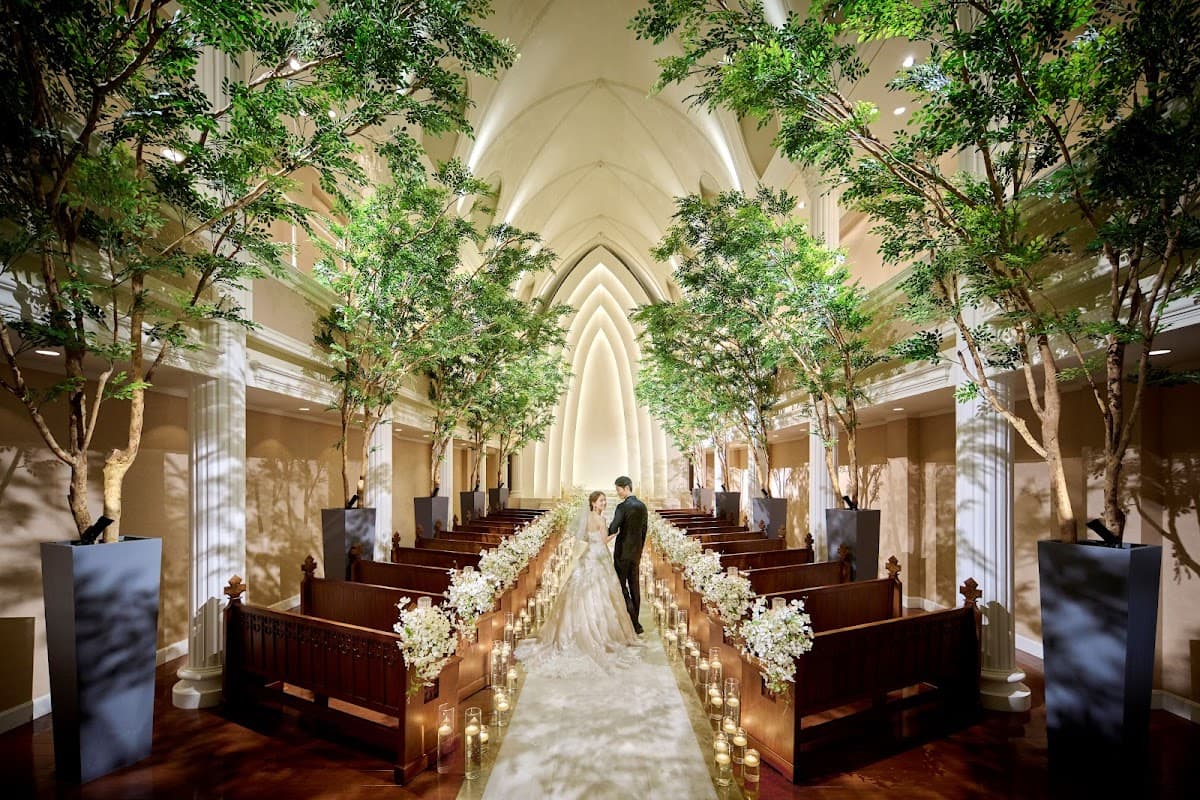
Art Grace Wedding Hills
Kyoto · Estate
- From JP¥2,500,000 for the whole property, per night est.
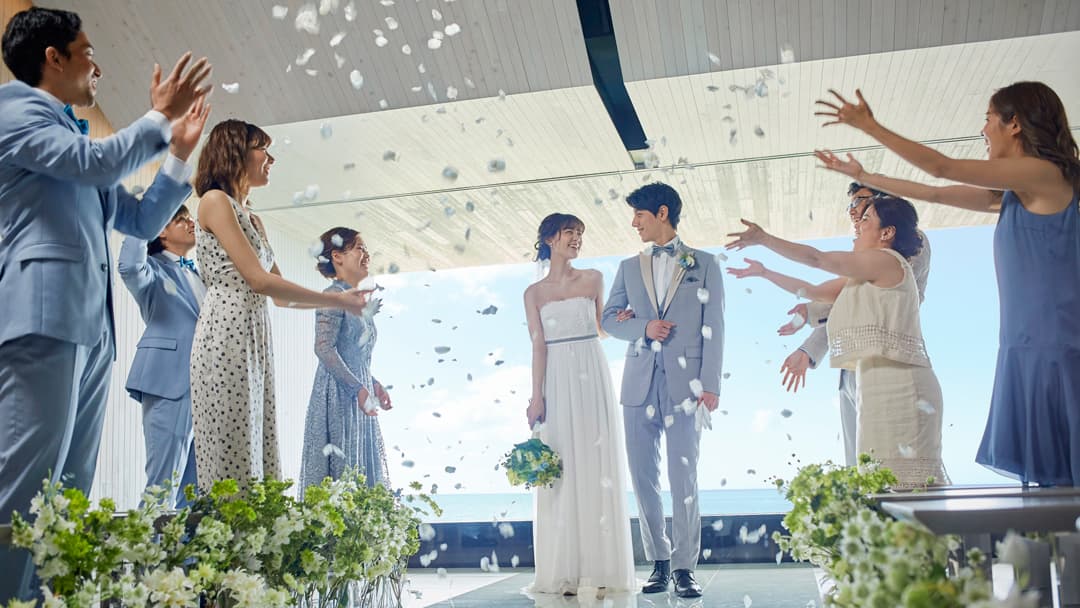
小さな結婚式 沖縄イル・ド・レ店
Okinawa · Estate
- Seats 70
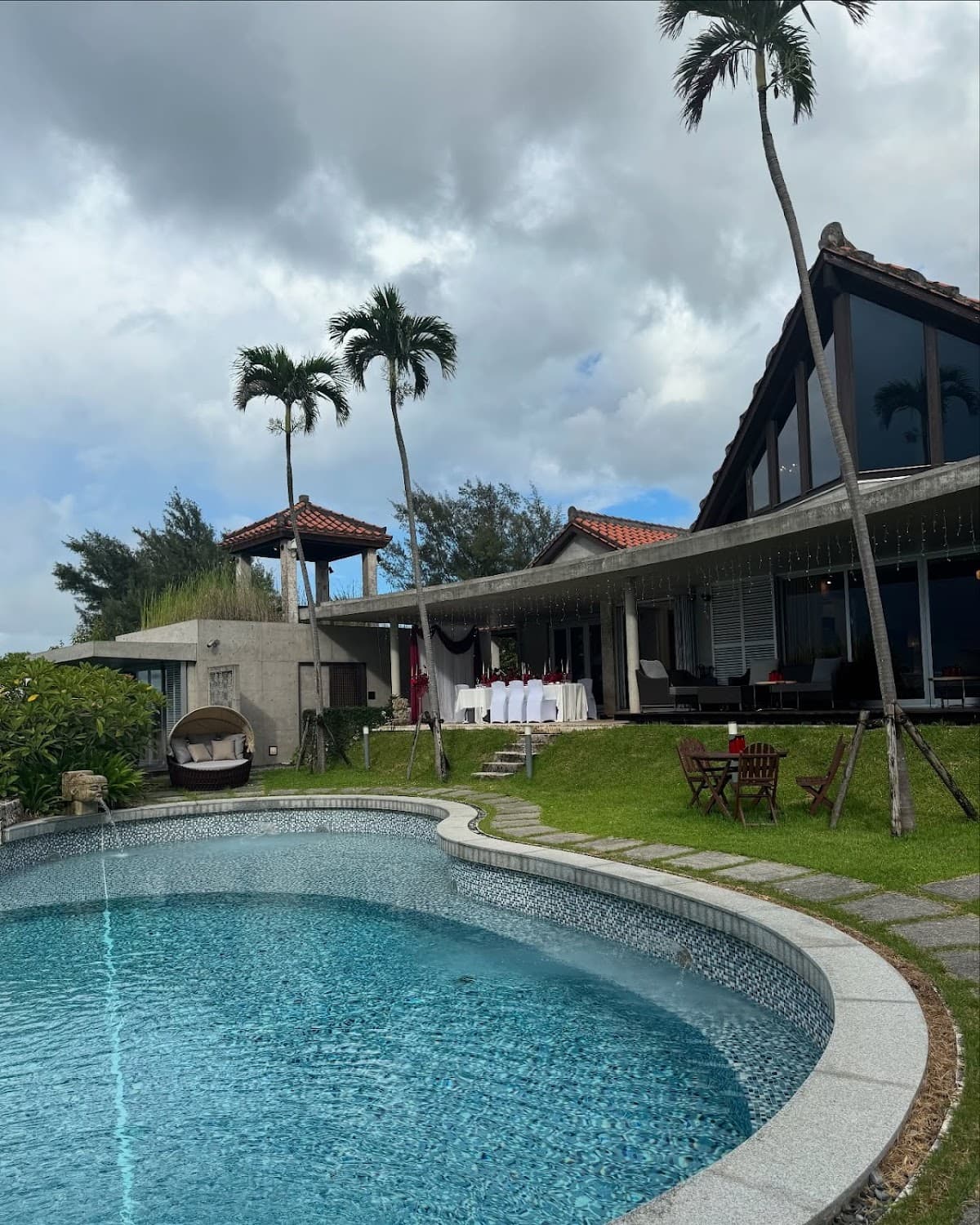
Sara-no-ue-no-shizen il Gastro Sara
Maeganeku, Okinawa · Hotel
- 4 rooms
Meiji Kinenkan
Motoakasaka · Estate
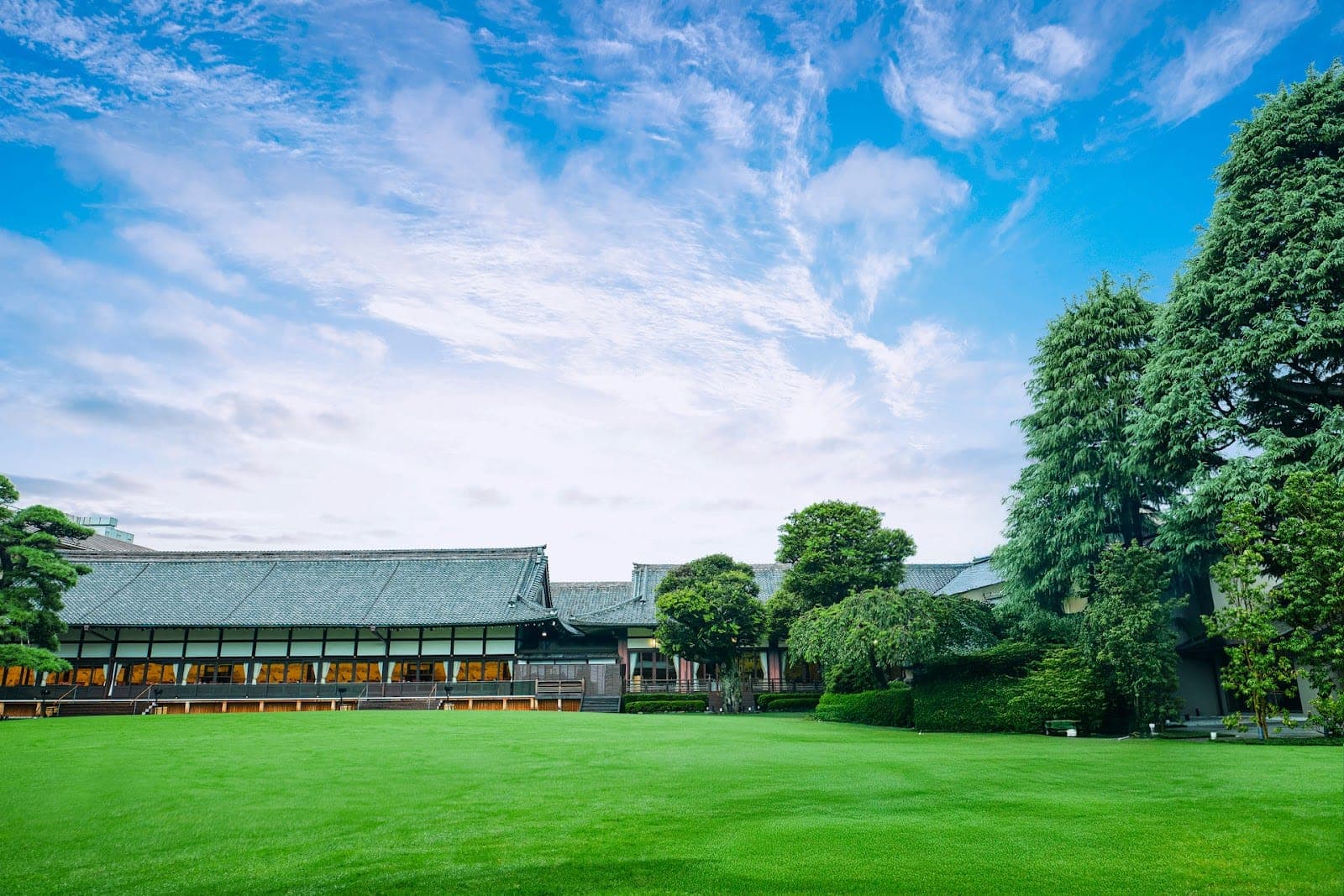
Meiji Kinenkan is the Meiji Jingu shrine’s own hall, and the building has a claim no hotel can match: the drafting meetings for the Meiji Constitution were held in it in the late 19th century. Today it runs Shinto weddings at scale. A ceremony can be held at Hosaiden inside Meiji Shrine itself, or at Gishikiden in the hall, which was rebuilt in June 2021 into a wide modern room where a Shinto rite can be held in kimono or in a Western dress. The shrine ceremony takes roughly 40 to 60 guests. The reception then moves into the hall’s 19 banquet rooms, from small family rooms up to Fuji, which holds 1,000. For a couple who want the Japanese ceremony to be the actual event rather than a photograph, this is the most serious address in Tokyo. The honest caveat is language: the site and the enquiry forms are in English, but the rite itself is conducted in Japanese by shrine priests, and almost every overseas couple books through a bilingual planner.
Amanemu
Shima · Resort
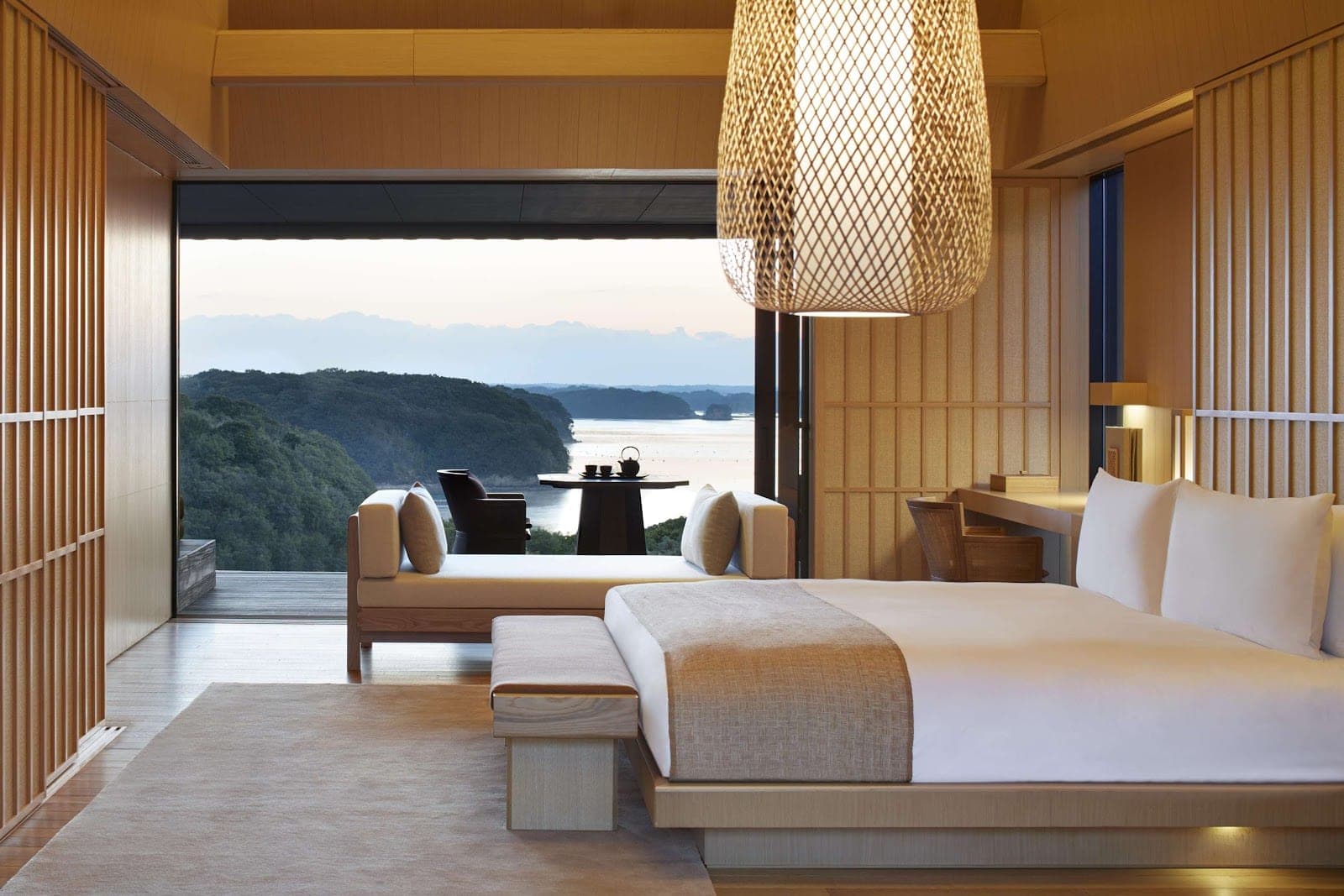
Amanemu opened in March 2016 on a hillside above Ago Bay, inside Ise-Shima National Park, and it is Aman’s onsen resort: the thermal water is piped into every one of the 24 suites and 8 two-bedroom villas as well as the bathhouse. The bay below is where Mikimoto started culturing pearls, and it is still worked by boat. Ceremonies are held in the grounds of the Arrival Pavilion or inside the villas, and the resort quotes celebrations on request rather than selling a package. The reason to marry here rather than in Kyoto is Ise Jingu, the most important Shinto shrine complex in Japan, about an hour north, which gives a wedding weekend a centre of gravity that no hotel garden can. Two caveats. The resort is small, so a guest list past about 60 needs rooms in Toba or Kashikojima and cars between them. And it is remote by Japanese standards: roughly two hours from Nagoya, and there is no train that reaches the door.
Aman Kyoto
Takagamine · Resort
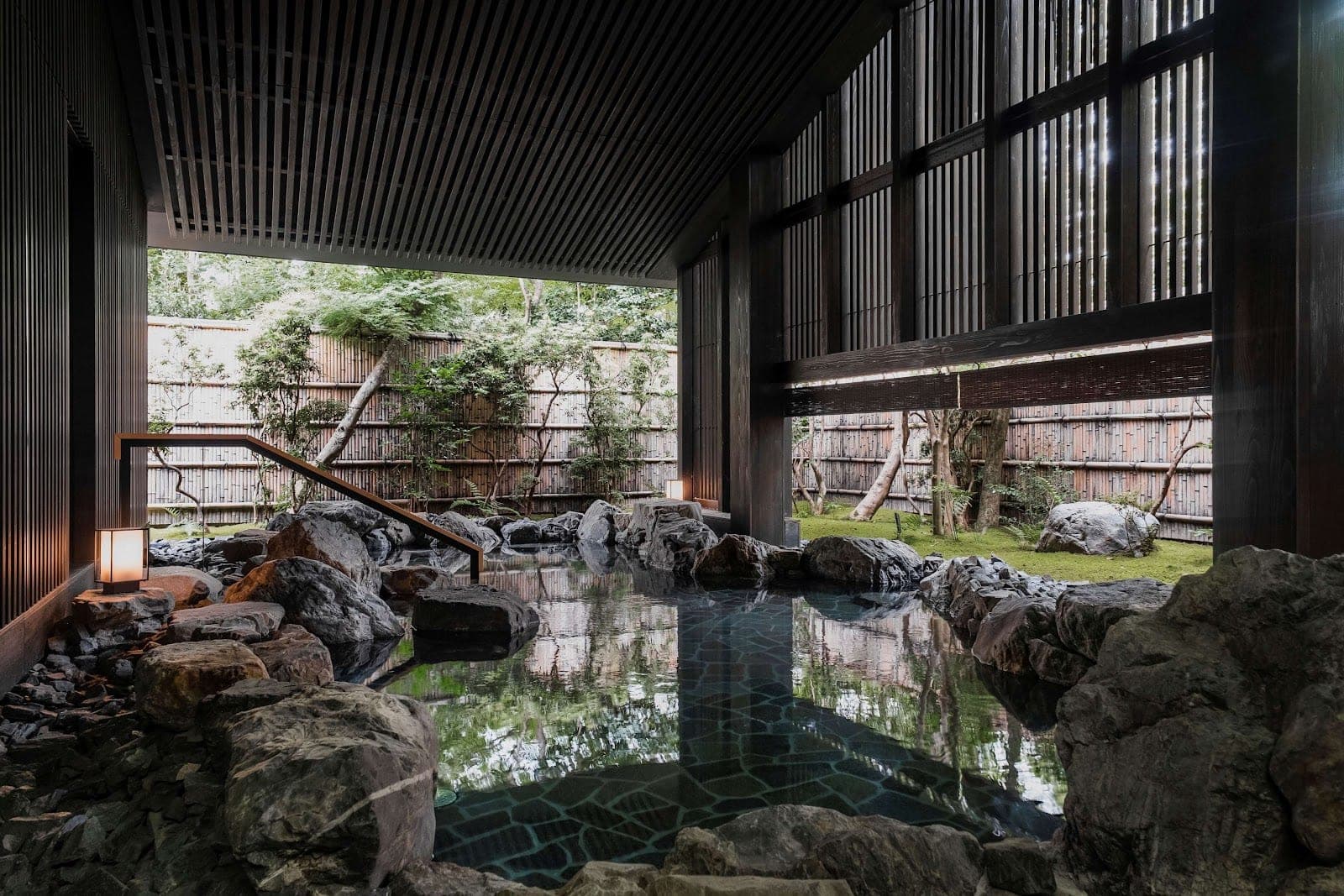
Aman Kyoto occupies a forest at the foot of Hidari Daimonji in Takagamine, north of the city and about half an hour by car from Kyoto Station. The land had been walled and abandoned for decades by a textile magnate who meant to build a museum on it, and Aman kept the moss, the stone paths and the stream and set six low pavilions among them. There are 26 rooms and suites, including six Aman Suites and a private residence. This is not a ballroom wedding. The resort takes celebrations in its own spaces, the largest of which seats 28 around a central fireplace, with the garden terrace for drinks, and it will quote a full buyout for a party that wants the forest to itself. Kinkaku-ji is a few minutes away, which puts the most photographed building in Japan inside your morning. The trade is scale: if your list runs past forty, the shape of a wedding here is a buyout with a marquee conversation attached, and Aman prices buyouts accordingly.
KOTOWA KYOTO YASAKA
Gionmachi Kitagawa, Kyoto · Estate
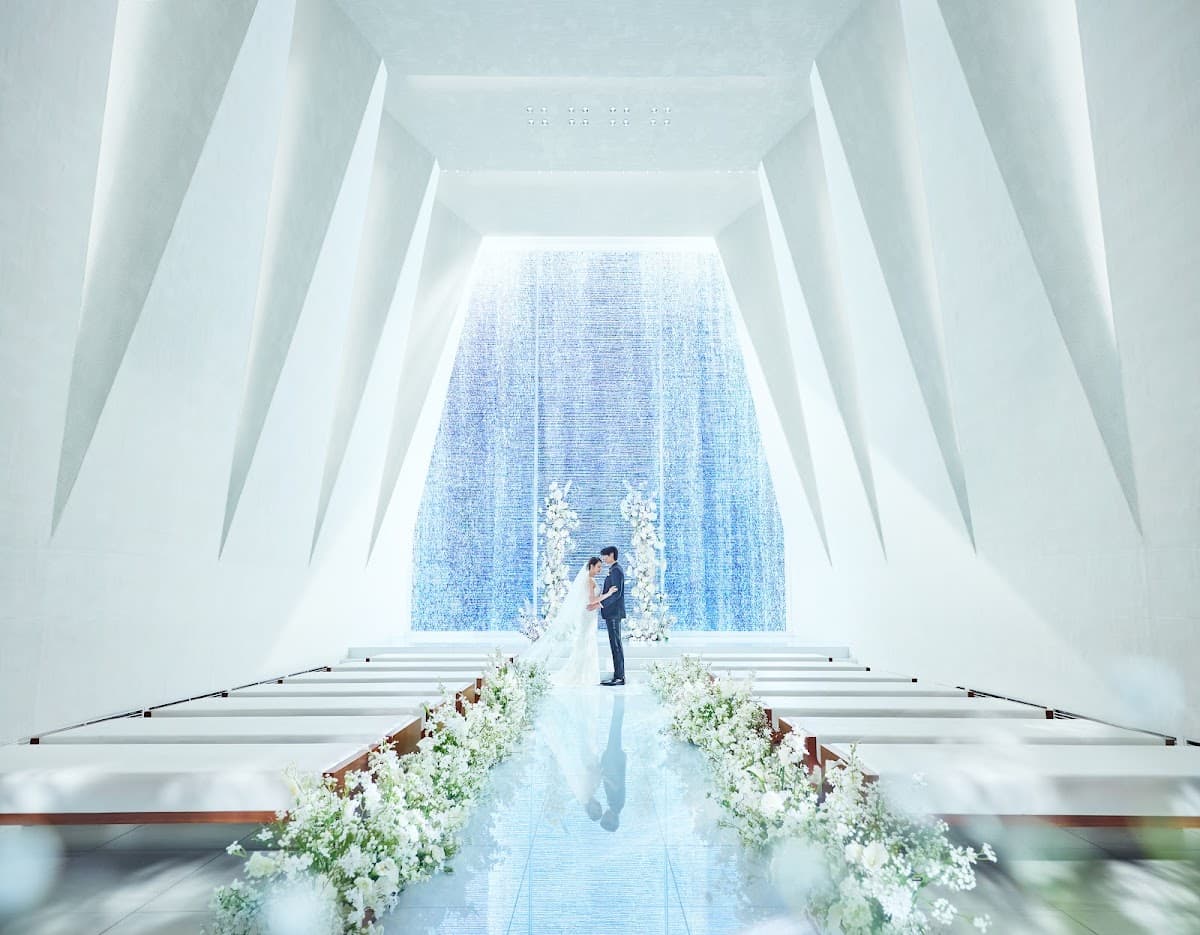
KOTOWA KYOTO YASAKA rises in the historic Gion district, where wooden machiya buildings and stone-lined streets create an authentic Kyoto backdrop. The estate commands views of the surrounding temple district and Higashiyama mountains, positioning ceremonies and receptions within one of Japan's most culturally significant neighborhoods. Floor-to-ceiling windows frame the landscape while maintaining the venue's connection to traditional Japanese architecture.
Mia Via
Osaka · Estate
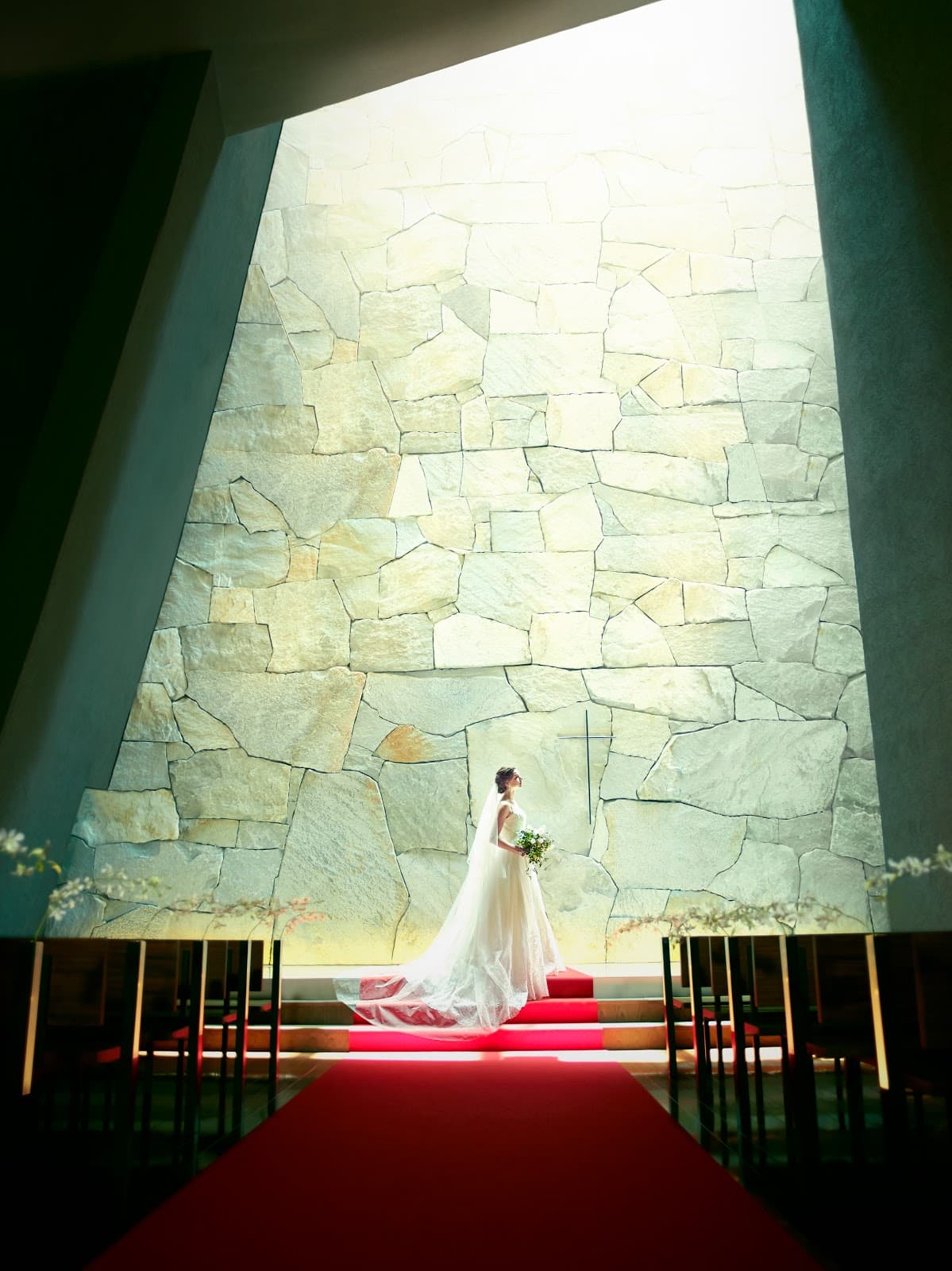
Mia Via welcomes guests through manicured grounds in Suita, where they experience a journey from arrival through departure. The estate's architectural design and seasonal landscaping create distinct moments throughout the celebration, from the initial approach to intimate ceremony spaces to reception areas that shift with natural light. Guests leave with tactile memories: the texture of the venue's materials, sightlines across grounds, and the specific way light moves through the space.
Petit Wedding
Kyoto · Estate
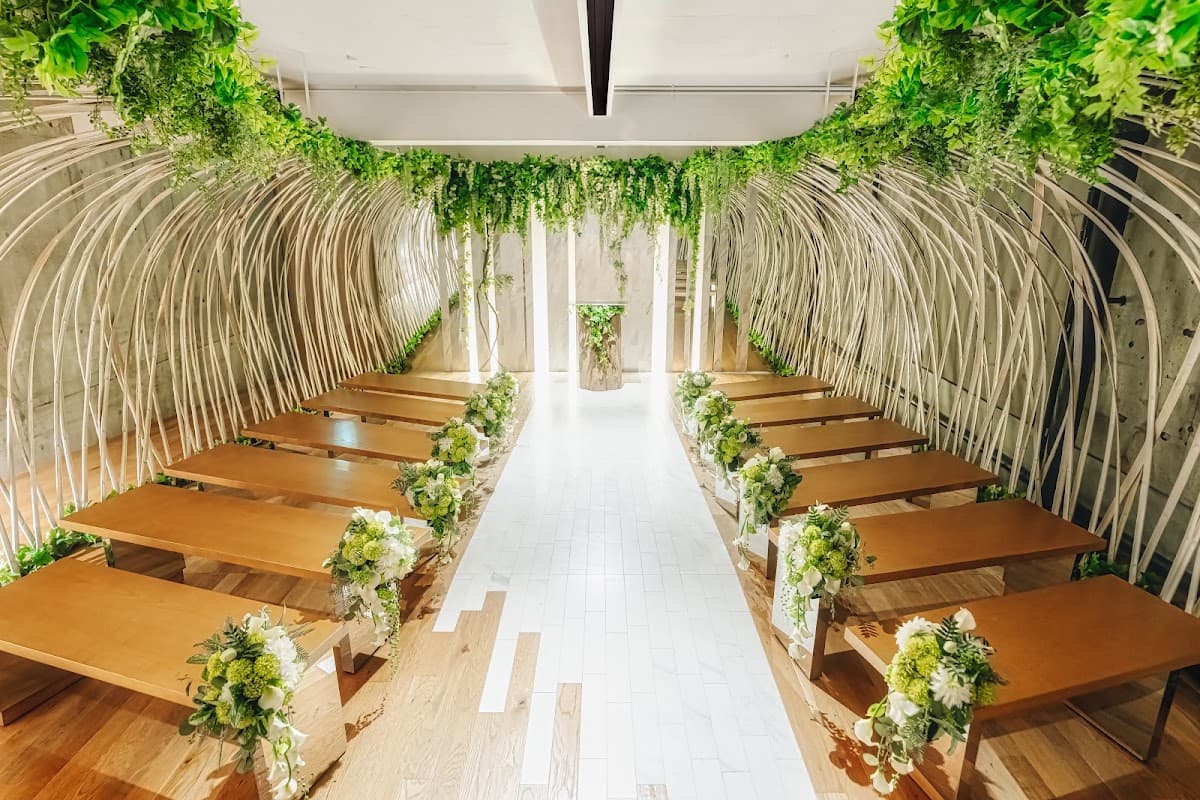
Petit Wedding occupies a traditional estate in Higashiyama Ward, where wooden architecture frames views of Kyoto's historic hillside landscape. The property sits at elevation within the ward's cultural district, offering ceremony and reception spaces that open onto gardens with sightlines across the surrounding temple-dotted terrain. Located on a quiet residential street, the venue preserves the physical character of classical Kyoto while accommodating contemporary destination celebrations.
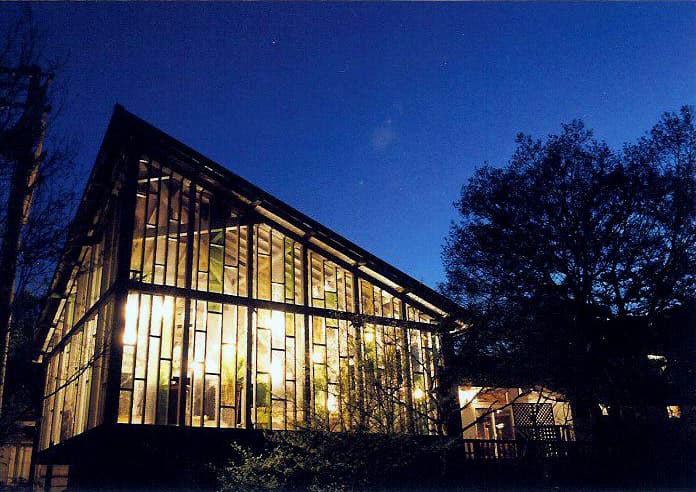
Auberge Meson
Shiga · Hotel
Auberge Meson is a restored historic property in Otsu, Shiga, housed in a building with deep roots in Japanese hospitality tradition. Originally constructed as a traditional inn, the structure has been thoughtfully renovated to preserve its architectural character while incorporating modern wedding facilities. The venue now operates as a boutique hotel offering both ceremony and reception spaces for destination celebrations.
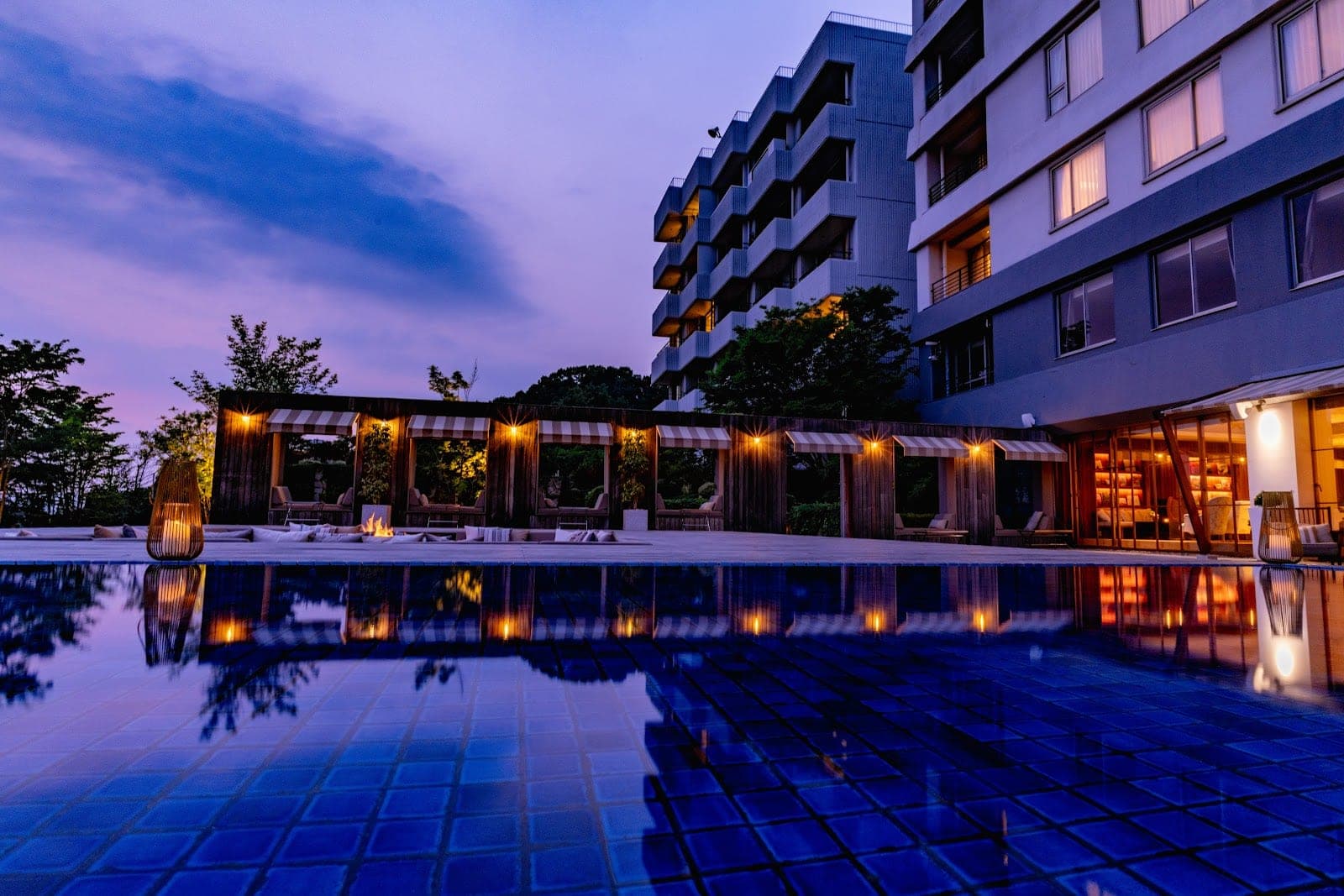
Bella Vista Spa & Marina Onomichi
Onomichi · Resort
The Ribbon Chapel is the reason this hotel is on the list. Finished in 2014 to a design by Hiroshi Nakamura, it is two spiral staircases wound around each other, each holding the other up, climbing 15.26 metres above the Seto Inland Sea. A couple starts at the bottom on separate stairs, crosses paths on the way up and meets at the top, and the staircases themselves form the walls and roof of a cone of glass with wooden seating for 80 below. The hotel under it is small, 44 rooms, first opened in 1973 for visitors to the shipyard next door and rebuilt as a resort in 2007, with a marina that is the base for Setouchi Seaplanes and the cruise ship Guntu. The islands offshore are the reason people compare this water to the Aegean. It is not close to anything: Hiroshima airport is roughly 90 minutes by car, and guests without a car depend on transfers. What you get for the distance is the most photographed wedding building in Japan, and only 80 seats in it.
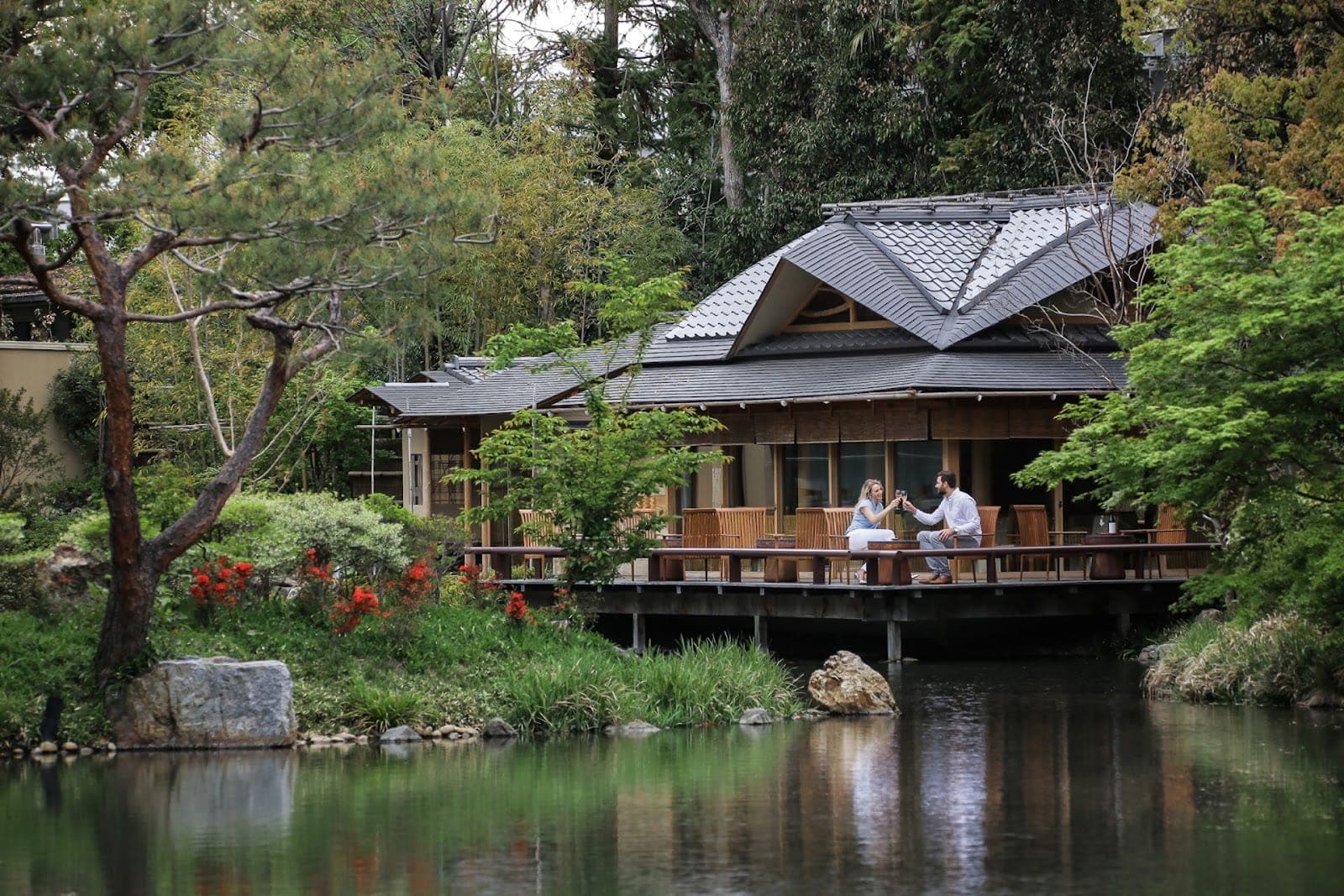
Four Seasons Hotel Kyoto
Higashiyama · Hotel
Four Seasons built its Kyoto hotel around a garden it did not make. Shakusui-en is an 800-year-old pond garden written into the Tale of the Heike, and the hotel wraps it on three sides in the Higashiyama temple district, a short walk from Sanjusangendo and the road up to Kiyomizu-dera. Weddings here take two shapes. The chapel seats up to 120 and the ballroom runs 366 square metres, divisible, with tall windows onto a bamboo stand and a pre-function bar. Smaller parties take the tea house on the water, which is the room most couples come for. Pricing is published rather than quoted in the dark: ballroom wedding packages start at 75,900 yen per person with a minimum spend, and some packages add about 36,300 yen a guest for the reception. A multilingual wedding specialist sits on site and runs the ceremony, the attire, the officiant and the vendors in English. The caveat is the calendar. Late March to mid-April for the blossom and the middle two weeks of November for the maples are commonly gone 12 to 18 months out, and they carry the highest room rates of the year.
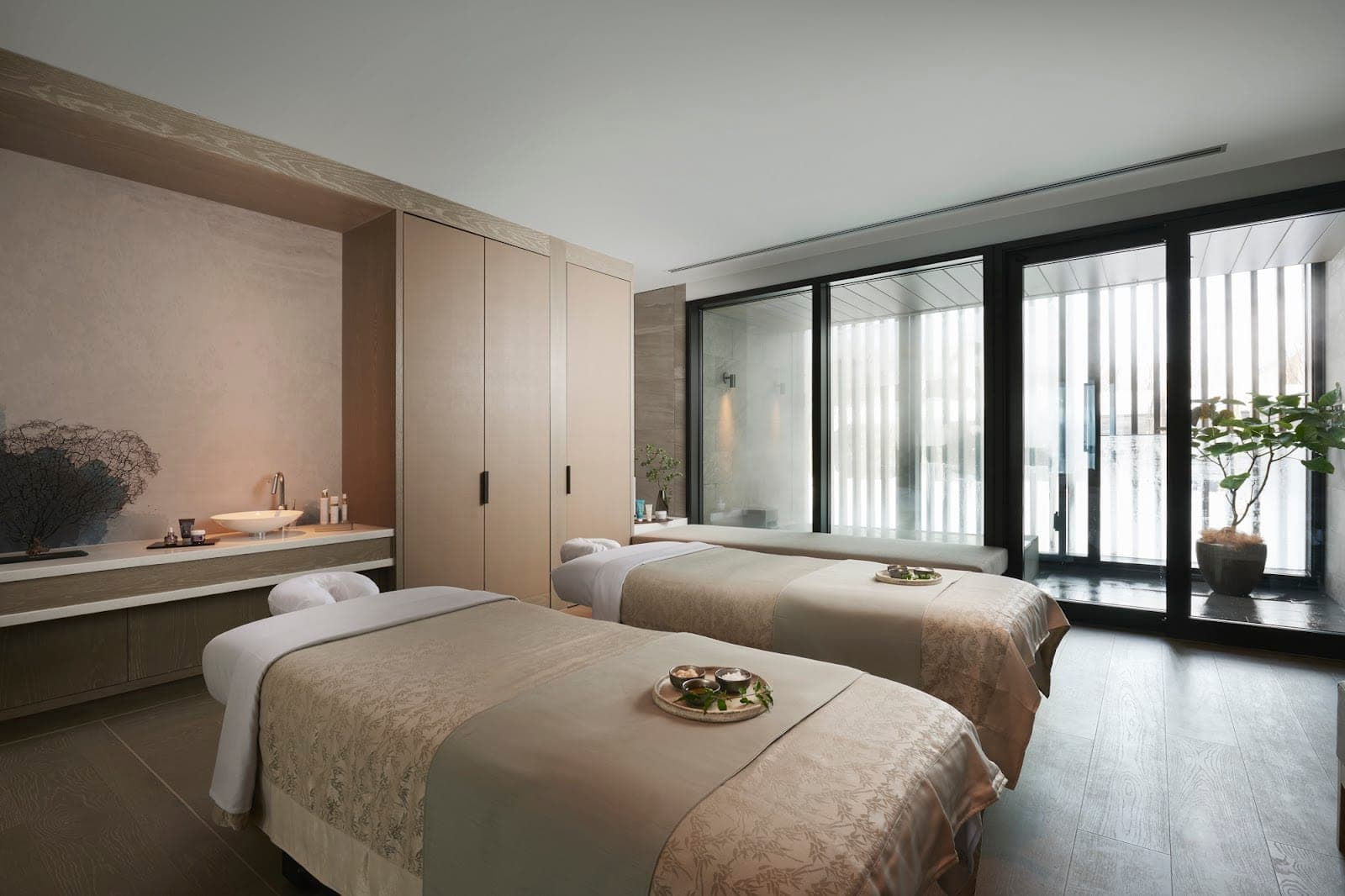
Park Hyatt Niseko Hanazono
Kutchan · Resort
Niseko is the ski region foreign visitors already know, and the Park Hyatt is its most complete wedding operation. The hotel sits on the Hanazono side of Mount Niseko Annupuri with Mount Yotei filling the windows to the south, and it holds 100 rooms and suites, nine of them with semi-outdoor onsen baths, plus more than 80 residences across four buildings. The wedding infrastructure is purpose-built and unusual for Japan: an 84-square-metre chapel designed by Nikken Sekkei, standing in water at the edge of the mountain, taking 40 seated or 80 standing, and connected to an events village with a ballroom, an open show kitchen, two further event rooms and a wine cellar, so a ceremony and dinner do not require moving guests outdoors between them. Winter here is the draw and the complication. Powder season from December to March is when the resort is full and priced accordingly; June to October is green, quiet, cheaper and better for an outdoor photograph.
Nara Hotel
Nara · Hotel
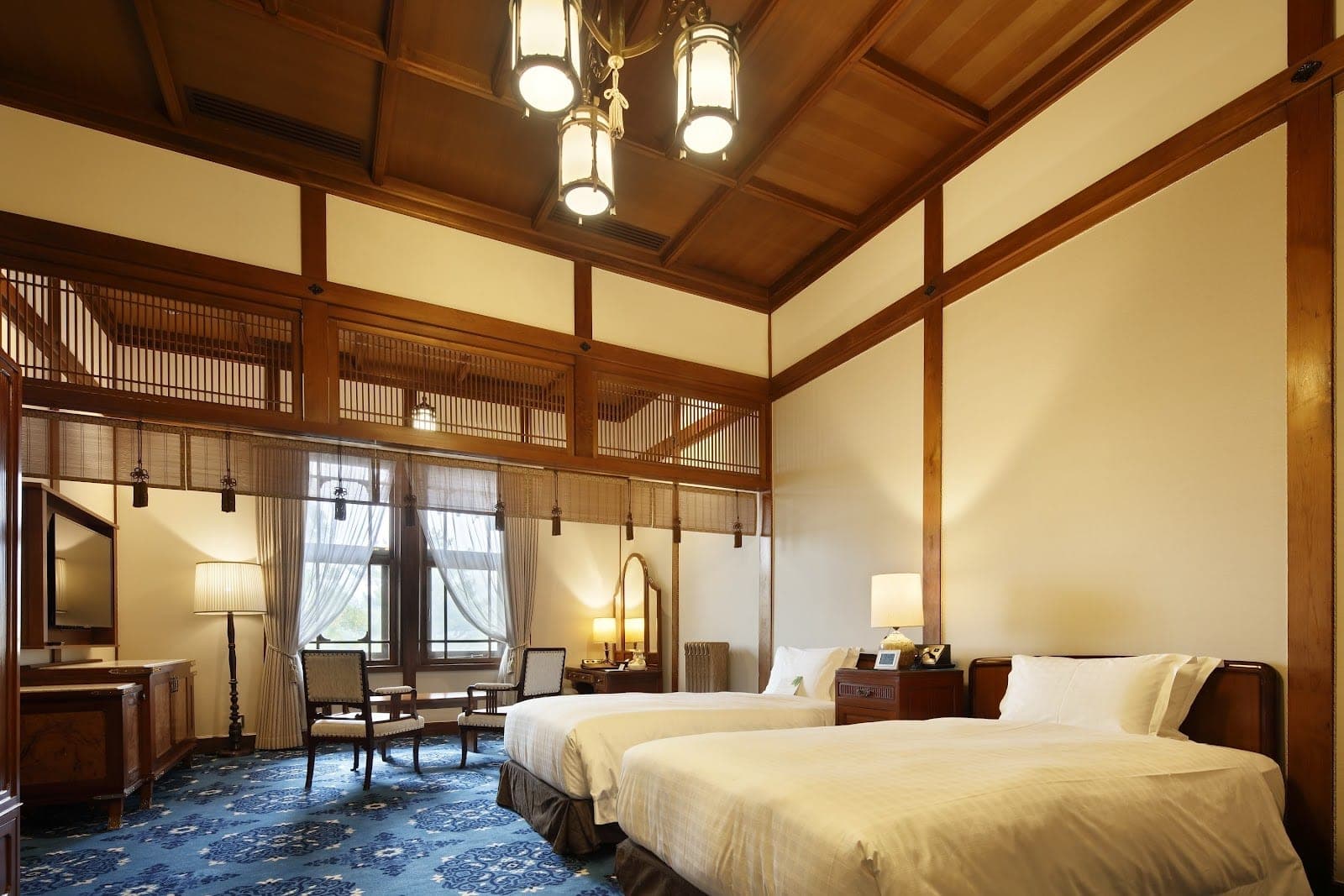
The Nara Hotel opened in 1909 on a hill above Nara Park as the guest house for dignitaries visiting the old capital, and it has been receiving them since: Einstein played the piano in the lounge, and the register runs through most of the twentieth century. The main building is by Tatsuno Kingo, the architect of Tokyo Station, built in hinoki cypress in the Momoyama palace manner, with a tiled roof, coffered ceilings and fireplaces that look like they belong in a temple. There are 129 rooms across the main building and an annex, and four banquet halls that take weddings and receptions. What the hotel gives a wedding is the town around it: Todai-ji, Kasuga Taisha and 1,200 free-roaming deer are a walk away, and Kyoto is 45 minutes by train, so guests can do the whole of the old capital region from one bed. The hotel publishes no wedding capacity, and its rooms are historic rather than large, which suits a guest list in the tens rather than the hundreds.
Karuizawa Hotel Bleston Court
Karuizawa · Resort
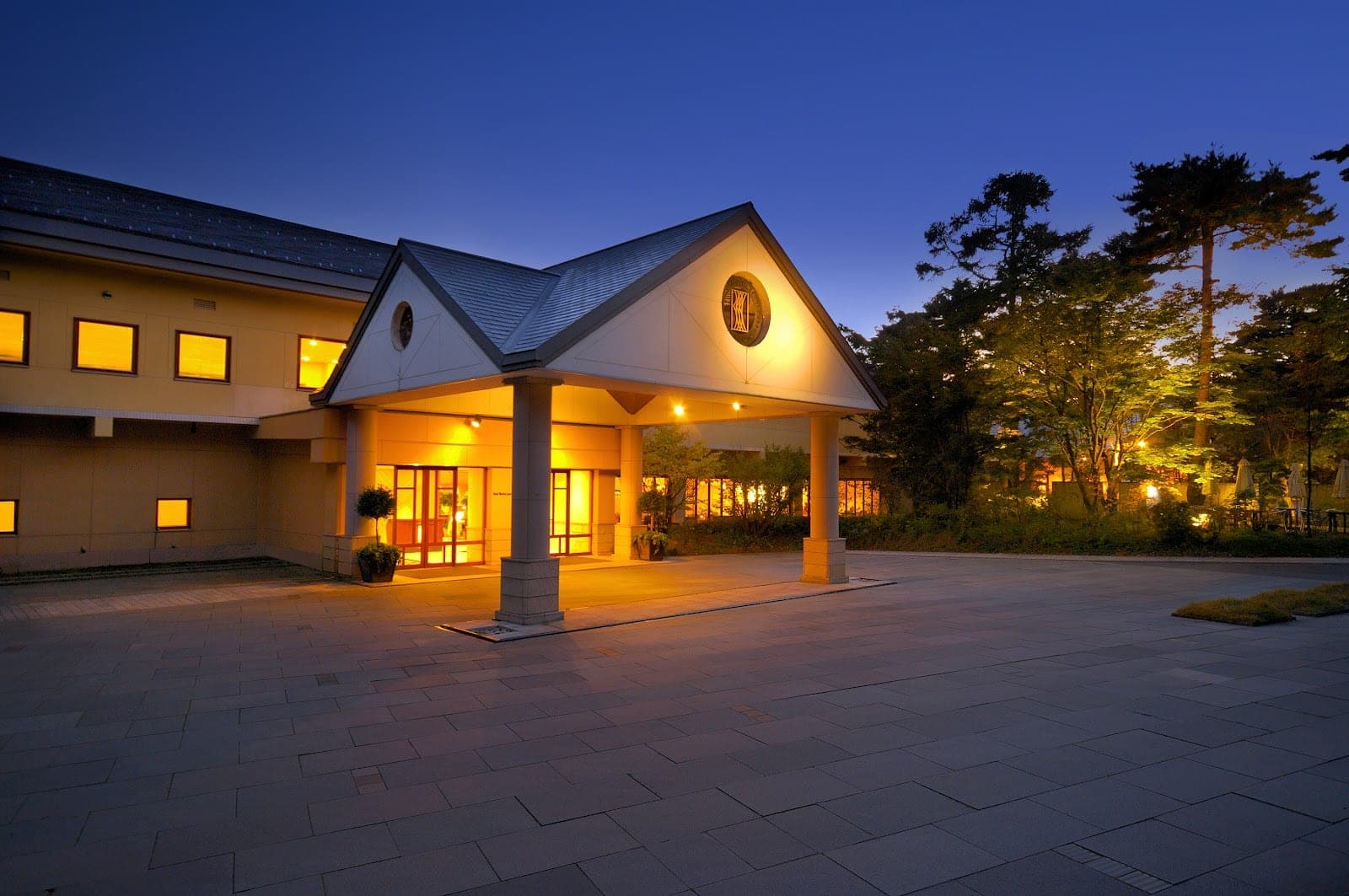
Karuizawa has been where Tokyo goes to escape the summer since the Meiji era, and the Hoshino area at its centre is a forest resort with two churches in it, which is why so many Japanese weddings happen here. Bleston Court is the hotel at the middle of that complex, a set of cottages and terrace villas among the trees with a free shuttle running hourly from Karuizawa station. The two ceremony buildings are the point. Karuizawa Kogen Church is a wooden hall from the resort’s early days. The Stone Church, built for the memory of the Christian thinker Uchimura Kanzo, is a run of stone arches interleaved with glass and water, half sunk into the hillside, and it is one of the more remarkable rooms in Japan to stand in. Receptions move to the hotel, where the Blooming Colonnade takes 210. The practical advantage over Kyoto or Tokyo is the train: Karuizawa is about 70 minutes from Tokyo Station on the Hokuriku Shinkansen, so guests can come up for a day and go back the same night if they need to.
HOTEL THE MITSUI KYOTO
Nakagyo · Hotel
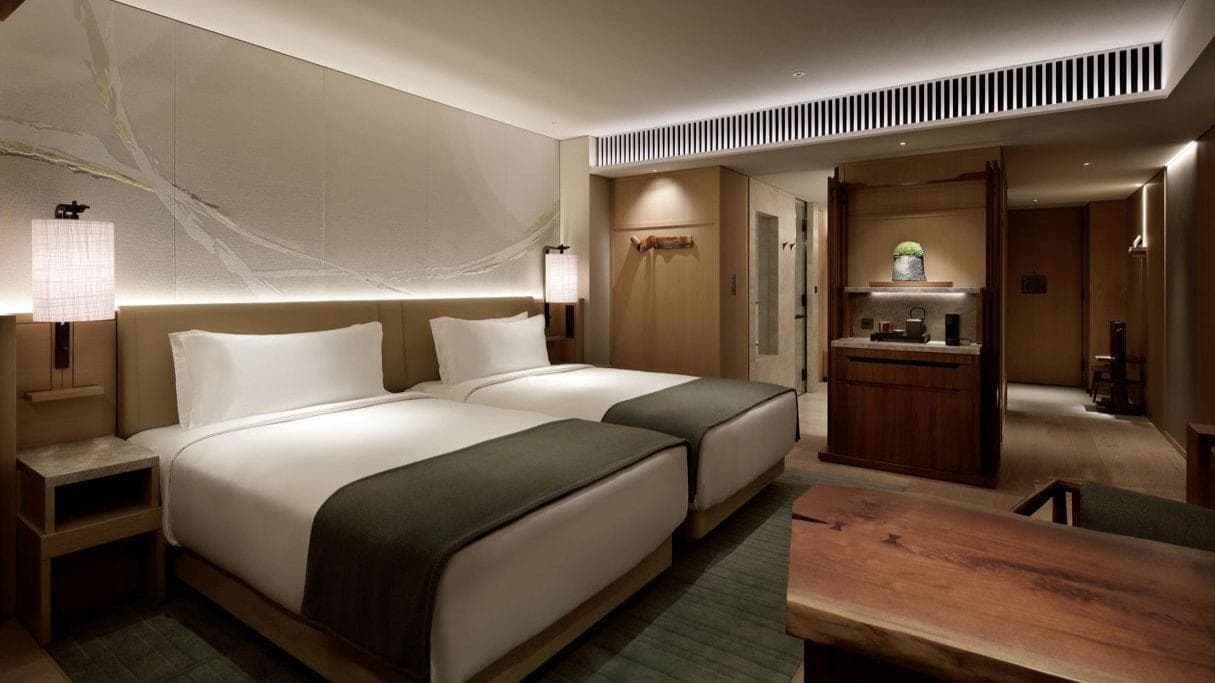
This is the old Kyoto estate of the Kita branch of the Mitsui family, held by them for more than 250 years and opened as a hotel in 2020, directly opposite the Nijo Castle gate. The plan is built around a strolling garden with a pond, a weeping willow and stepping stones, and the guest wings wrap it, so almost every route through the building crosses water. Two things set it apart for a wedding. The first is Shiki-no-Ma, a ceremonial room standing in the garden itself, used for private dining, tea and ceremonies, which gives you a Japanese room with a garden on three sides rather than a ballroom with a garden view. The second is the thermal spring under the property, drawn up for the hotel’s onsen, which is rare in central Kyoto and gives guests something to do between events. The hotel does not publish a wedding capacity, and the garden is the reason to be here, so a large reception is the wrong shape for it.
Atoll Terrace Kamogawa
Kyoto · Restaurant
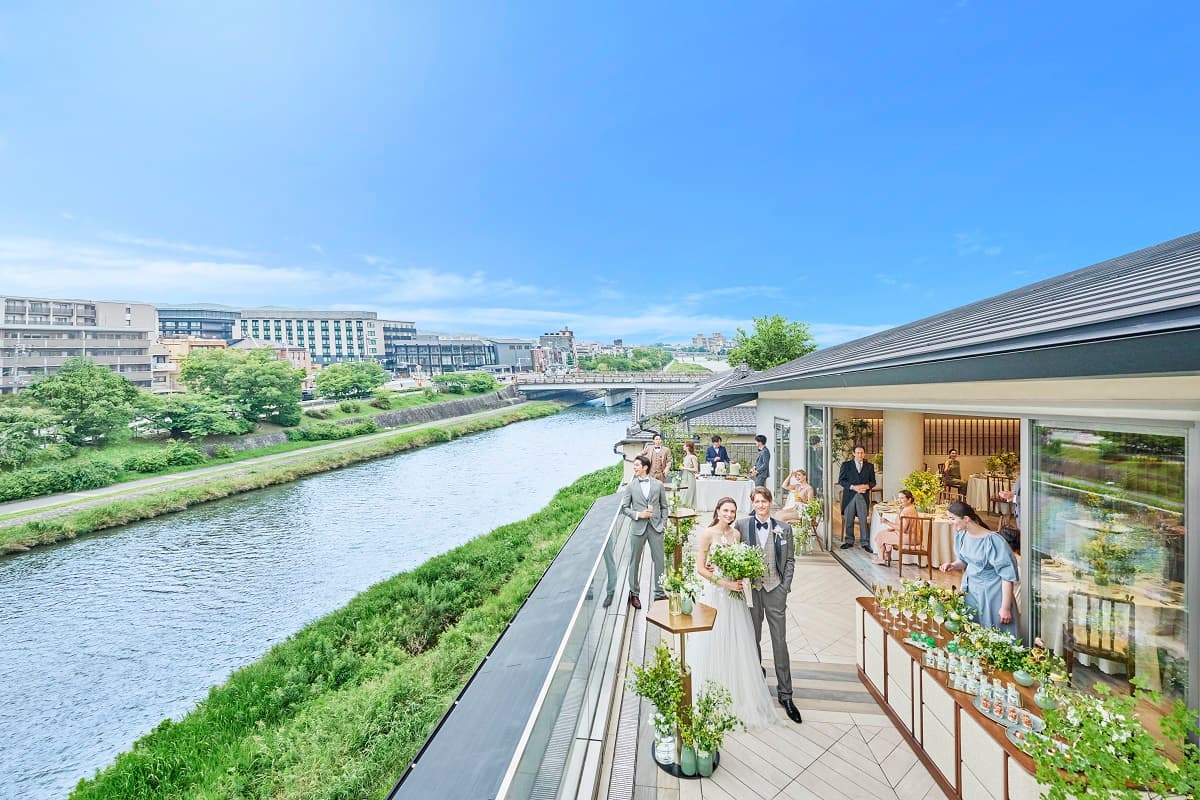
Atoll Terrace Kamogawa occupies a restored machiya townhouse originally constructed in the Meiji period, preserving its traditional wooden beams and latticed windows while operating as a contemporary restaurant. Located in Shimogyo Ward along Kyoto's historic Kamogawa riverbank, the venue honors its 140+ year architectural heritage through thoughtful modernization. The space offers riverside dining with authentic period character, earning a 4.9/5 Google rating for its exceptional cuisine and atmospheric setting.
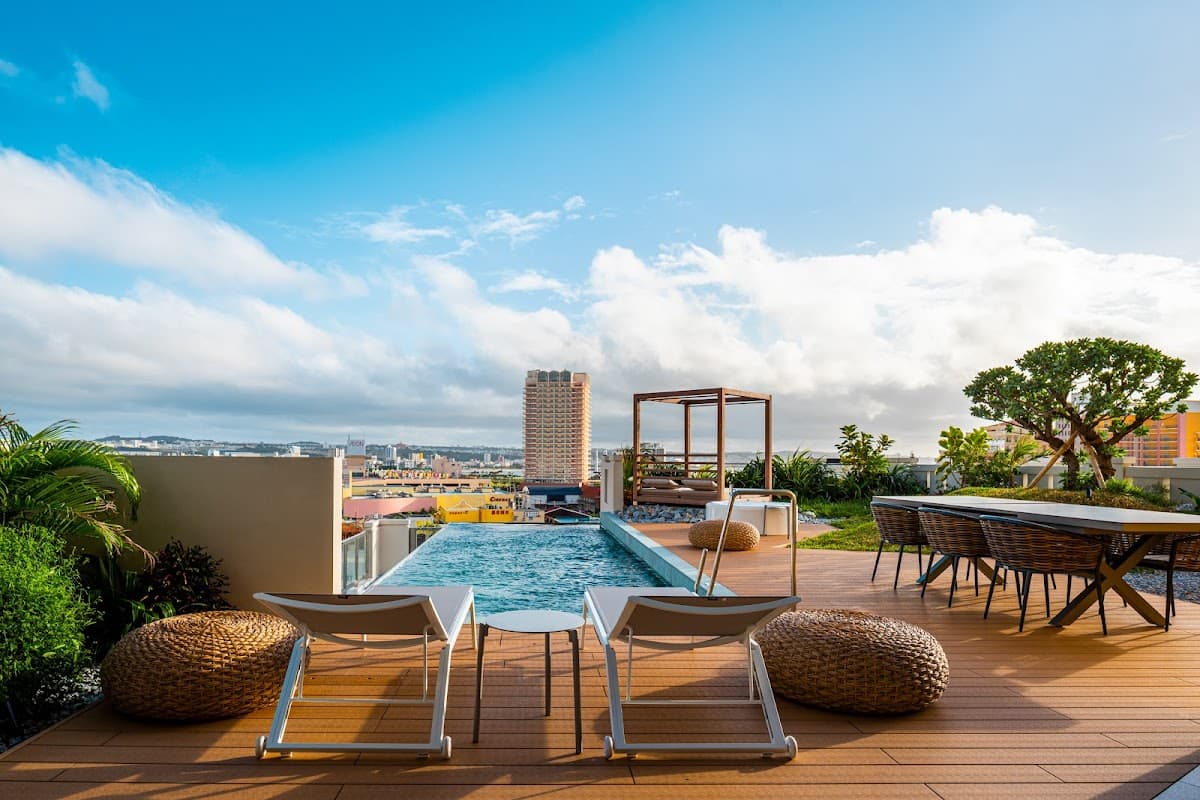
LeQu Okinawa Chatan Spa & Resort
Okinawa · Hotel
Guests arrive at LeQu Okinawa Chatan Spa & Resort to find a contemporary beachfront property where floor-to-ceiling windows frame the East China Sea, and the ceremony space opens directly onto sand. The resort's 4.5-star rating reflects consistent praise for its spa facilities, modern amenities, and coordination of multi-day celebrations. Accommodations on-site mean your wedding party wakes up already where the celebration continues.
Start wherever you are in your plans.
Find a venue or bring the one you’ve booked. Build your wedding website, collect RSVPs and organise rooms for your guests.