

Elopement Destinations and Planning Guide: Where to Elope and What It Costs
In this guide
The best elopement destinations pair a simple legal process with scenery worth the flight. Here is how to choose one and plan the whole thing.
What an Elopement Really Is in 2026
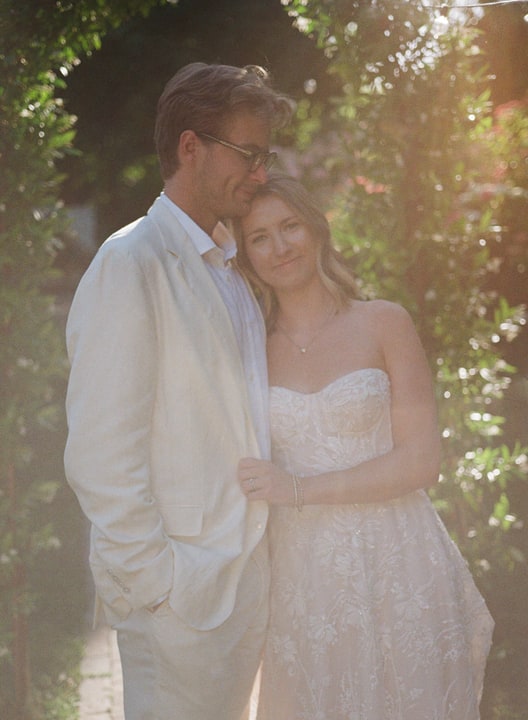
An elopement used to mean running off in secret. Today it usually means a deliberately small wedding: just the two of you, or the two of you plus an officiant, a photographer and a handful of guests. Many couples tell family in advance and celebrate with a party back home afterward.
The appeal is easy to understand. You spend your budget on a location and an experience instead of a reception for 150. You skip the seating charts, the family politics and a year of logistics. And you get to pick a place that actually means something to the two of you.
Planning an elopement abroad still takes real thought, though. The legal rules differ wildly from country to country, some places need paperwork weeks ahead, and a few do not let foreign officiants perform legal ceremonies at all. This guide walks through how to choose among elopement destinations, what an elopement costs, and the legal steps for several popular spots.
New to the word? What it means to elope covers the definition, how an elopement differs from a small wedding, and the first steps.
How to Choose Between Elopement Destinations
Start with three questions before you look at a single photo.
First, do you want to be legally married at the destination, or do you plan to marry at home and hold a symbolic ceremony abroad? Symbolic ceremonies are far simpler because there is no foreign paperwork. Legal ceremonies abroad can be simple too, but you need to check the rules early.
Second, how much time can you take off? A Las Vegas elopement can happen in an afternoon. Iceland requires documents to reach the registry weeks in advance, and Scotland expects a formal notice process.
Third, what kind of scenery matches your mood? Mountains, a clifftop above the sea, a castle, a desert at sunrise, a tropical beach. Seasonality matters too. A glacier in January looks very different from the same glacier in July, and weather is the one thing a small elopement cannot easily work around.
Once you know those three answers, the shortlist usually makes itself.
What Does It Cost to Elope?
According to Zola, most couples spend somewhere between 2,500 and 8,000 dollars on an elopement, while Zola's own wedding cost index puts a traditional wedding at around 36,000 dollars. A simple courthouse ceremony can cost a few hundred dollars, and an elaborate destination elopement can run well into the thousands.
Zola's cost ranges for common line items give a useful starting point:
Public permits for parks or beaches run roughly 50 to 300 dollars.
An officiant typically costs 200 to 800 dollars.
Photography averages about 1,500 dollars for ceremony-only coverage, and longer coverage with travel can reach 6,000 dollars.
Hair and makeup run about 800 to 1,200 dollars.
A bouquet and boutonniere cost roughly 300 to 750 dollars.
Videography packages are typically 2,500 to 4,000 dollars.
A marriage license costs about 50 to 150 dollars in many US jurisdictions.
A celebration meal for a small group runs 200 to 800 dollars.
Zola also notes that nearly 55 percent of couples say they are most willing to splurge on their photographer. That instinct is a good one for elopements, since the photos are what you will have long after the trip.
Remember to budget separately for flights, lodging and any translation or document fees. Those travel costs are often larger than the ceremony itself.
Las Vegas: The Fastest Legal Elopement
Las Vegas is the classic for a reason. Nevada has no blood test and no waiting period, so you can get a license and marry the same day.
According to the Clark County marriage bureau, the license fee is 102 dollars, payable in cash or by major credit card, and the license is valid for one year. You both need valid government photo ID, and the Marriage License Office at 201 E. Clark Avenue is open from 8 a.m. to midnight every day, including holidays, with no appointment needed. You can also fill in a pre-application form online up to 60 days ahead, though both of you still have to appear in person to pick up the license.
Chapels in town handle everything from a 15-minute ceremony to a full package with flowers, photos and a car. It is not the quietest location, but if your priority is simplicity and speed, nothing beats it.
Hawaii: Beach and Volcano Elopements
Hawaii is one of the most popular elopement destinations for American couples, and the paperwork is manageable. There is no residency or citizenship requirement, no blood test and no waiting period.
The Hawaii Department of Health charges 65 dollars for the marriage license, made up of a 60 dollar application fee and a 5 dollar portal fee. You complete the application online at the state portal, then meet a marriage license agent in person, together, no sooner than 30 days before the ceremony. The license is valid for 30 days and only within Hawaii, so you cannot pick it up and use it later or elsewhere.
Permits matter here. Many public beaches and state or national park locations require a permit for a wedding or a photography session, so check with the land manager before you fall in love with a specific cliff or crater. If you want more detail on a specific island, our Maui wedding guide covers licenses, venues and officiants on that island.
Iceland: Waterfalls, Glaciers and Black Sand
Iceland is a favorite for adventurous couples, and foreigners can marry legally there, but you cannot improvise. The paperwork has to reach the National Registry in time or the marriage is considered canceled.
According to Guide to Iceland, both partners must be at least 18 and not currently married. You will need birth certificates, valid passports, a certificate of marital status issued shortly before the wedding, a divorce decree if either of you was previously married, and certified translations for any document not in English or a Scandinavian language. Check the exact validity window for the marital status certificate with the registry, because sources differ on whether it is eight or twelve weeks.
On timing, you can either submit original documents at least three weeks before the wedding, or email them first and deliver the originals no later than five days before. A local wedding planner can often handle this step for you.
Iceland also requires two witnesses, and the ceremony must be performed by an authorized officiant, such as a district commissioner or a minister of a registered religious or life-stance organization. Foreign officiants generally cannot perform a legal ceremony without special permission, though they can lead a symbolic one. Many couples therefore marry legally in a short civil ceremony and hold a larger symbolic ceremony at the waterfall or glacier of their choice.
Scotland and Gretna Green: Elopement With History
Gretna Green is the most famous elopement village in the world, and it still hosts thousands of weddings. It makes a great choice for couples who want a romantic story and a ceremony in the UK.
According to Gretna Green's published 2026 fees, a civil ceremony costs 439 pounds on weekdays and 666 pounds on Saturdays, Sundays and public holidays. A religious ceremony includes a 200 pound minister fee on weekdays (300 pounds at weekends) plus a 100 pound marriage schedule paid to the registrars. You book your venue first, and Gretna Green then arranges a celebrant or helps you find a minister. Civil and religious marriages both use the M10 form, available from the local registration office.
Scotland has a formal notice process before any marriage, so contact the registration office well ahead of your travel dates and confirm current timelines for foreign nationals. If you would rather have a Highland castle than a village smithy, take a look at our Scottish Highlands wedding guide, and for the Irish alternative, our guide to Irish castle weddings.
Other Elopement Destinations Worth Considering
Beyond the big three, a few other spots keep showing up on couples' shortlists.
Santorini offers cliffside ceremonies and sunset views, and it is well set up for small weddings. Our Santorini wedding guide covers the legal steps and the packages on offer.
Sedona gives you red rock scenery and a very short drive from the airport. It is one of the easier American options if you want drama without a passport.
Lake Tahoe works well in both summer and winter, with alpine lakes and mountain backdrops, and a straightforward license process on the Nevada and California sides.
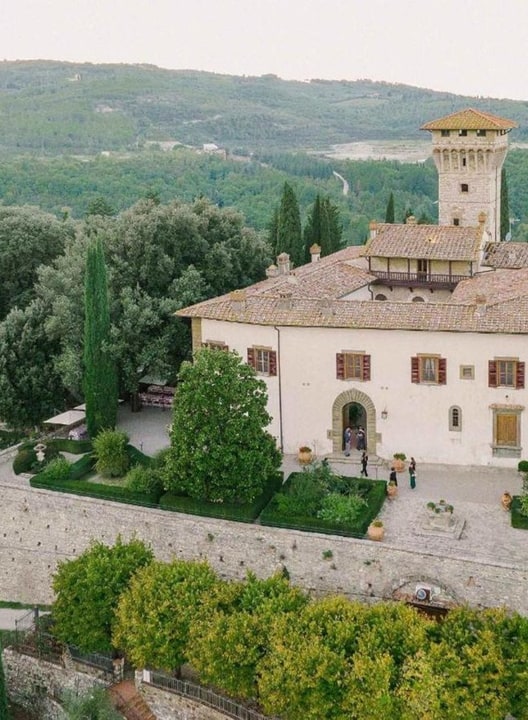
The Dolomites, the Amalfi Coast and Tuscany are popular with couples who want Italy without a big guest list. Italy has particular paperwork requirements for foreigners, so many couples choose a symbolic ceremony there and sign the legal paperwork at home.
If you are not sure whether to marry legally abroad or symbolically, read our guide to international wedding legal requirements before booking anything non-refundable.
A Step-by-Step Elopement Planning Timeline
The ideal timeline depends on where you are going, but this order works almost everywhere.
Three to six months before, choose your destination and decide whether the ceremony will be legal or symbolic. Check the legal requirements immediately, since they may dictate your date.
Two to four months before, book your photographer and officiant, since the best ones fill their calendars well ahead, especially in peak season. Reserve permits if your location requires them.
Six to ten weeks before, gather and, where required, translate and legalize your documents. Start the marriage application or notice if the destination has an advance filing requirement.
Two to four weeks before, confirm travel, lodging and the ceremony schedule, and order flowers and any hair and makeup bookings. Plan a weather backup, because outdoor ceremonies are at the mercy of the sky.
The week of, collect your license if it is picked up in person, confirm every vendor, and pack the dress, suit, rings and a printed copy of every document.
How to Tell Family and Friends
Some couples keep it secret until afterward, and some tell everyone months ahead. Both approaches are fine, but surprises land better when they are kind. If your parents would be hurt to miss it, consider telling them in advance, sharing a livestream, or planning a celebration party when you return.
A few ideas for including loved ones without turning it into a full wedding: invite only immediate family and cover their travel, record a video message to share at your homecoming party, or send a printed announcement with a photo from the day.
Common Elopement Mistakes to Avoid
The most common problem is assuming a ceremony abroad is automatically legal. Check the requirements, and keep your documents consistent. Names that differ across passports, birth certificates and applications can cause delays.
A second mistake is skipping permits. Parks and public beaches often require them, and a ranger can end a ceremony that is not authorized.
A third is trusting the weather. Pick a backup indoor space or a flexible date, and keep your photographer informed.
Finally, do not skimp on photography. With only the two of you, the photographer is often the only person who captures the day, and your photos will be the record of it.
Final Thoughts
The right elopement destination is the one that suits your budget, your timeline and your sense of adventure. A same-day chapel in Las Vegas, a volcano in Hawaii, a glacier in Iceland or a blacksmith's forge in Gretna Green can all be completely and truly yours. Do the legal homework first, hire a great photographer, and let the rest be simple.