Morocco Wedding Venues & Planning Guide
Say "I do" in the considered kingdom of Morocco, where ancient palaces meet desert sunsets and every moment feels like a fairytale
Planning a destination wedding in Morocco requires booking 12-18 months in advance for luxury venues like La Mamounia or Royal Mansour, while unique desert locations such as Scarabeo Camp typically need 8-12 months lead time. The ideal wedding months are March through May and September through November when temperatures are comfortable, avoiding the intense summer heat. Budget expectations range from $15,000-40,000 for intimate celebrations to $50,000-150,000+ for elaborate affairs at premium riads and desert camps, depending on guest count and level of luxury desired.
- Typical cost
- $25,000-65,000 for 50-80 guests
- Best months
- March, April, May, October, November
- Average temp
- 68-78°F (spring/fall)
- Timezone
- Western European Time (WET/WEST)
- Currency
- Moroccan Dirham (MAD)
- Language
- Arabic and Berber (French widely spoken)
On this destination.
Morocco offers an enchanting blend of imperial cities, stunning desert landscapes, and coastal beauty that creates an unforgettable wedding backdrop
From the rose-colored walls of Marrakech to the blue streets of Chefchaouen, Morocco provides diverse settings for both intimate ceremonies and grand celebrations
Rich Berber and Arabic traditions, world-class hospitality, and exquisite cuisine make Morocco an extraordinary destination for couples seeking a truly unique wedding experience
The country's luxury riads, desert camps, and beachfront resorts offer exclusive venues that can accommodate everything from bohemian desert ceremonies to elegant palace receptions
What does a wedding
in Morocco cost?
A wedding in Morocco typically costs $25,000-65,000 for 50-80 guests, depending on guest count, season, and the kind of residence you choose.
- Luxury Desert Camps
- $15,000-35,000
- Historic Riads & Palaces
- $20,000-50,000
- Beachfront Resorts
- $18,000-40,000
- Atlas Mountain Retreats
- $12,000-30,000
- Luxury Hotels & Resorts
- $25,000-60,000
If Morocco is a contender, also consider Santorini, Greece and Tuscany, Italy. Same weather window, a slightly different room.
Why we keep
Morocco on the book.
Exotic Luxury at Exceptional Value
Morocco offers world-class venues and services at a fraction of the cost of European destinations, with luxury riads and desert camps providing exclusive experiences that would be impossible to recreate elsewhere.
Diverse Stunning Landscapes
From the Atlas Mountains to Sahara dunes, imperial cities to Atlantic coastline, Morocco provides an incredible variety of breathtaking backdrops all within one country.
Rich Cultural Traditions
Incorporate meaningful Moroccan wedding customs like henna ceremonies, traditional music performances, and blessing rituals that add depth and authenticity to your celebration.
Incredible Culinary Experience
Treat your guests to an unforgettable feast featuring tagines, couscous, pastries, and mint tea, with many venues offering cooking classes as part of your wedding week activities.
Where a wedding
stays in Morocco.
Luxury Desert Camps
Exclusive tented accommodations in the Sahara with traditional Berber décor, offering considered sunset ceremonies and starlit receptions under the vast desert sky
- Scarabeo Camp — Luxury tented camp in Merzouga with traditional Berber hospitality
- Erg Chebbi Luxury Desert Camp — Exclusive Sahara experience with camel treks and stargazing
Historic Riads & Palaces
Quietly restored traditional Moroccan mansions in Marrakech and Fes medinas, featuring intricate tilework, peaceful courtyards, and rooftop terraces with city views
- La Mamounia — Legendary palace hotel in Marrakech with stunning gardens and architecture
- Royal Mansour — Ultra-luxury riad resort featuring private riads and world-class service
Beachfront Resorts
Elegant coastal properties in Essaouira and Agadir offering ocean ceremonies, fresh seafood, and relaxed atmospheres perfect for both intimate and larger celebrations
- Sofitel Essaouira Mogador Golf & Spa — Oceanfront resort with golf course and traditional Moroccan design
- Mazagan Beach & Golf Resort — Luxury beachfront property with championship golf and spa facilities
Atlas Mountain Retreats
Stunning mountain lodges and kasbahs with dramatic valley views, perfect for couples seeking adventure and natural beauty in a cooler climate
- Kasbah Tamadot — Richard Branson's luxury mountain retreat with spectacular valley views
- Kasbah du Toubkal — Authentic mountain lodge at the base of North Africa's highest peak
Luxury Hotels & Resorts
International hotel chains and boutique properties offering full-service wedding planning, multiple venue spaces, and familiar amenities with Moroccan flair
- Four Seasons Resort Marrakech — Modern luxury resort with Atlas Mountain views and expansive gardens
- Amanjena — Exclusive resort featuring traditional Moroccan pavilions and world-class amenities
Getting there,
without friction.
- RAK
- Marrakech Menara Airport15-30 minutes to city center
- CMN
- Mohammed V International Airport (Casablanca)3 hours to Marrakech, 1 hour to Casablanca
- FEZ
- Fès–Saïs Airport20 minutes to Fes city center
- AGA
- Agadir–Al Massira Airport30 minutes to Agadir beaches
From the US7-9 hours from East Coast, 10-12 hours from West Coast (with connections)
US citizens need a valid passport but no visa for stays up to 90 days. Passport must be valid for at least 6 months beyond your departure date.
Private transfers and rental cars recommended. High-speed train connects major cities. Domestic flights available for longer distances.
Legal marriage in Morocco requires extensive documentation and can be complex for foreigners. You'll need birth certificates, certificates of celibacy (proving single status), medical certificates, and all documents must be translated into Arabic and legalized by Moroccan consulates in your home country. The process typically takes 2-3 months and requires both parties to be present in Morocco for several weeks. Additionally, mixed-religion marriages face additional restrictions, as the non-Muslim partner may need to convert to Islam. Due to these complexities, most international couples opt for a legal ceremony in their home country followed by a symbolic celebration in Morocco, which offers the same romantic experience without bureaucratic challenges.
The seasons in
Morocco.
Spring
65-80°F
Perfect weather with warm days, cool evenings, and blooming landscapes. Minimal rainfall and comfortable humidity levels throughout the country.
Not advisedFall
60-75°F
Excellent conditions with mild temperatures and clear skies. The intense summer heat has passed, making it perfect for both coastal and desert weddings.
Not advisedWinter
45-65°F
Mild and pleasant in coastal areas and cities, though Atlas Mountains can be quite cold. Occasional rain but generally sunny days.
GoodSummer
75-100°F+
Very hot, especially inland and in desert regions. Coastal areas are more moderate but still quite warm. Low rainfall but intense heat during midday.
Not advisedCustoms, in Morocco.
- 01
Plan your ceremony timing around Islamic prayer times and consider that Friday afternoons are reserved for weekly prayers, which may affect vendor availability
- 02
Morocco is a Muslim country, so alcohol service requires special licensing - work with experienced wedding planners who can navigate local regulations
- 03
Incorporate traditional Moroccan elements like henna ceremonies for the bridal party, which typically happen 1-2 days before the wedding
- 04
Dress modestly when exploring local markets and religious sites, and consider providing light scarves or shawls for female guests visiting mosques
- 05
Friday and Saturday are the weekend in Morocco, so plan accordingly for vendor meetings and delivery schedules during your wedding week
- 06
Tipping (called 'baksheesh') is customary and expected for all service providers - budget 10-15% extra for gratuities throughout your wedding events
Local flavours,
for the long lunch.
Traditional Tagines
Slow-cooked stews in conical clay pots featuring lamb, chicken, or vegetables with aromatic spices like saffron, cinnamon, and preserved lemons - perfect for elegant dinner service
Couscous Royale
Morocco's national dish featuring fluffy semolina with seven vegetables and your choice of meat, traditionally served on Fridays and ideal for large wedding receptions
Pastilla (B'stilla)
Delicate phyllo pastry filled with spiced pigeon or chicken, almonds, and eggs, dusted with cinnamon and powdered sugar - an impressive appetizer for cocktail hours
Moroccan Mint Tea
The traditional welcome drink made with green tea, fresh mint, and sugar, served in ornate glasses - perfect for greeting guests and ceremony toasts
Chebakia & Dates
Honey-soaked sesame cookies and fresh Medjool dates offer an authentic sweet ending to your wedding feast, often accompanied by traditional almond milk
Planners in
Morocco.
Asilah Weddings Morocco
Luxury destination weddings specializing in riads, desert camps, and cultural experiences
Morocco Weddings by Kesh Events
Full-service planning for Marrakech and Atlas Mountains with traditional Moroccan touches
Sahara Dream Weddings
Desert ceremony specialists offering authentic Berber traditions and luxury camping experiences
Comparing studios? Browse the full destination wedding planner book — every planner on Aisle, grouped by region.
Asked about Morocco.
Is it legal for foreigners to get married in Morocco?+
Yes, foreigners can legally marry in Morocco, but the process is extremely bureaucratic and time-consuming. You'll need birth certificates, certificates of celibacy (proving you're single), medical certificates, passport copies, and divorce decrees if applicable. All documents must be translated into Arabic by certified translators and legalized by Moroccan consulates in your home country, which can cost $200-500 per document. The entire process takes 2-3 months minimum, and both parties must be present in Morocco for several weeks to complete paperwork with local authorities. Additional complications arise for mixed-religion couples, as Morocco's family code is based on Islamic law, and the non-Muslim partner may face pressure to convert. Civil ceremonies must be conducted in Arabic, and religious ceremonies require adherence to Islamic traditions. Given these challenges and costs (often $3,000-5,000 in fees and translations), 95% of international couples choose to have their legal ceremony at home and gather with a symbolic ceremony in Morocco, which offers the same considered experience without legal complications.
What's the best time of year for a Morocco destination wedding?+
The optimal wedding seasons in Morocco are spring (March-May) and fall (October-November), when daytime temperatures range from 65-80°F with cool, comfortable evenings perfect for outdoor celebrations. March through May offers blooming landscapes and minimal rainfall, making it ideal for desert ceremonies and garden receptions. The fall months of October and November provide crystal-clear skies and pleasant temperatures after the intense summer heat subsides. Avoid June through September when temperatures regularly exceed 100°F, especially in Marrakech and desert locations like Merzouga, making midday ceremonies uncomfortable and potentially dangerous for guests. December through February can work for coastal venues like Essaouira, where temperatures remain mild (45-65°F), but Atlas Mountain locations become quite cold, and desert nights can drop to freezing. Consider that Ramadan dates shift annually and may affect vendor availability and celebration styles, as daytime eating and drinking are restricted. Spring weddings coincide with peak tourist season, so book venues 15-18 months ahead and expect 20-30% higher prices. Fall weddings offer better availability and slightly lower costs while maintaining excellent weather conditions.
How much should I budget for a destination wedding in Morocco?+
A Morocco destination wedding for 50-80 guests typically costs $25,000-65,000, offering exceptional value compared to European destinations. Desert camps like Scarabeo Camp start around $15,000 for intimate ceremonies with luxury tented accommodations, traditional entertainment, and multi-course Moroccan feasts. Historic riads in Marrakech medina range $20,000-50,000, with exclusive venues like Riad Fes or La Maison Arabe including venue hire, catering, décor, and traditional musicians. Luxury resorts like La Mamounia or Royal Mansour command $40,000-80,000 but provide comprehensive wedding packages with dedicated planners, multiple event spaces, and world-class amenities. Additional costs include photography ($2,000-5,000), florals and décor ($3,000-8,000), welcome bags with local crafts ($15-30 per guest), and traditional entertainment like Gnawa musicians or belly dancers ($500-2,000). Factor in 15% for tips and service charges, plus $3,000-5,000 for a local wedding planner who can navigate cultural requirements and vendor negotiations. Many venues offer multi-day packages including welcome parties, henna ceremonies, and farewell brunches, providing better per-event value than booking separately.
Can we serve alcohol at our Moroccan wedding?+
Most established wedding venues in Morocco can serve alcohol, but they must hold special licenses which reputable hotels and event spaces typically maintain. Luxury resorts like Four Seasons Marrakech, Amanjena, and beachfront properties in Essaouira freely serve wine, beer, and cocktails as part of their wedding packages. However, some traditional riads within historic medinas may face location-based restrictions or choose not to serve alcohol to respect local customs. Desert camps vary - upscale operations like Scarabeo Camp can arrange alcohol service, while more traditional Berber camps may not. Always confirm alcohol policies during initial venue discussions and request written confirmation in your contract. If your venue cannot serve alcohol, consider hosting your reception at a licensed restaurant or hotel nearby, or focus on Morocco's incredible non-alcoholic beverages like traditional mint tea served in ornate glasses, fresh fruit juices, and almond milk. Some couples create signature mocktails using local ingredients like orange blossom water, pomegranate, and fresh herbs. Budget an additional 20-30% for alcohol service at venues that allow it, as import taxes make international wines and spirits expensive. Local wines from regions like Meknes offer quality alternatives at better prices.
What should we know about Moroccan wedding customs?+
Moroccan wedding traditions offer beautiful opportunities to enrich your celebration with authentic cultural elements. The henna ceremony (henné) typically occurs 1-2 days before the wedding, where intricate designs are painted on the bride's hands and feet while female guests receive simple patterns. This creates a wonderful pre-wedding party with traditional sweets, mint tea, and Andalusian music. Consider hiring Gnawa musicians for the ceremony processional - their hypnotic rhythms and traditional instruments create an unforgettable atmosphere. Moroccan weddings traditionally feature multiple outfit changes, with brides wearing different colored kaftans throughout the celebration, often including white for the ceremony, gold for the reception, and green for good fortune. The traditional feast service involves multiple courses brought simultaneously to tables for family-style sharing, creating communal celebration vibes. Incorporate traditional elements like rose petal throwing, shared dates and milk for sweetness in marriage, or a traditional Moroccan tea ceremony during cocktail hour. Many venues can arrange belly dancers, drummers, or traditional folk performers for entertainment. Consider providing guests with small bags of henna, traditional sweets, or locally-made argan oil as meaningful favors that connect them to Moroccan culture.
How far in advance should we book our Morocco wedding?+
Book your Morocco destination wedding 12-18 months in advance, especially for peak season dates in spring (March-May) and fall (October-November). Luxury venues like La Mamounia, Royal Mansour, and exclusive desert camps fill up quickly, often requiring 15-18 months' notice for weekend dates. Atlas Mountain retreats like Kasbah Tamadot and beachfront resorts in Essaouira also book early due to limited availability. This extended timeline allows you to secure the best local vendors - renowned photographers, traditional musicians, and henna artists often have busy schedules during wedding season. Early booking also provides leverage for negotiating package deals and room blocks for guest accommodations. Use the planning period to research Moroccan customs you'd like to incorporate, arrange menu tastings via video calls, and coordinate with local wedding planners who can handle vendor communications and cultural requirements. The extended timeline also benefits your guests, as Morocco trips often become week-long vacations requiring careful planning for flights, tours to places like Chefchaouen or Casablanca, and extended time off work. Consider that some venues offer early booking discounts of 10-15% for reservations made 18+ months ahead, and you'll have first choice of preferred dates before they're released to other couples.
Bring a season.
We will bring Morocco.
Answer four questions — budget, season, guest count, feel — and a shortlist of Morocco residences comes back in about a minute. No sign-up needed.
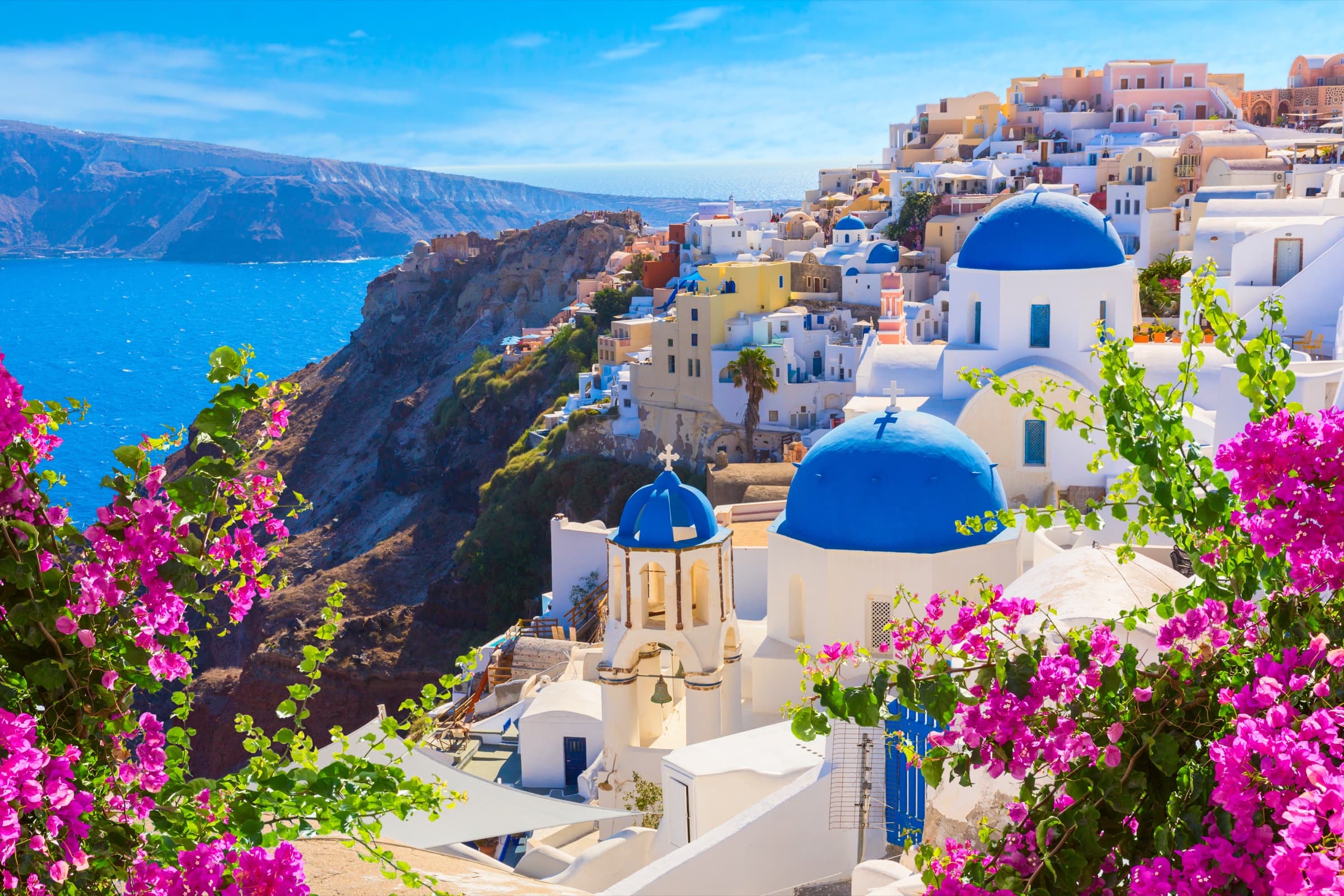
Santorini
Exchange vows against Santorini's iconic blue domes and endless Aegean views
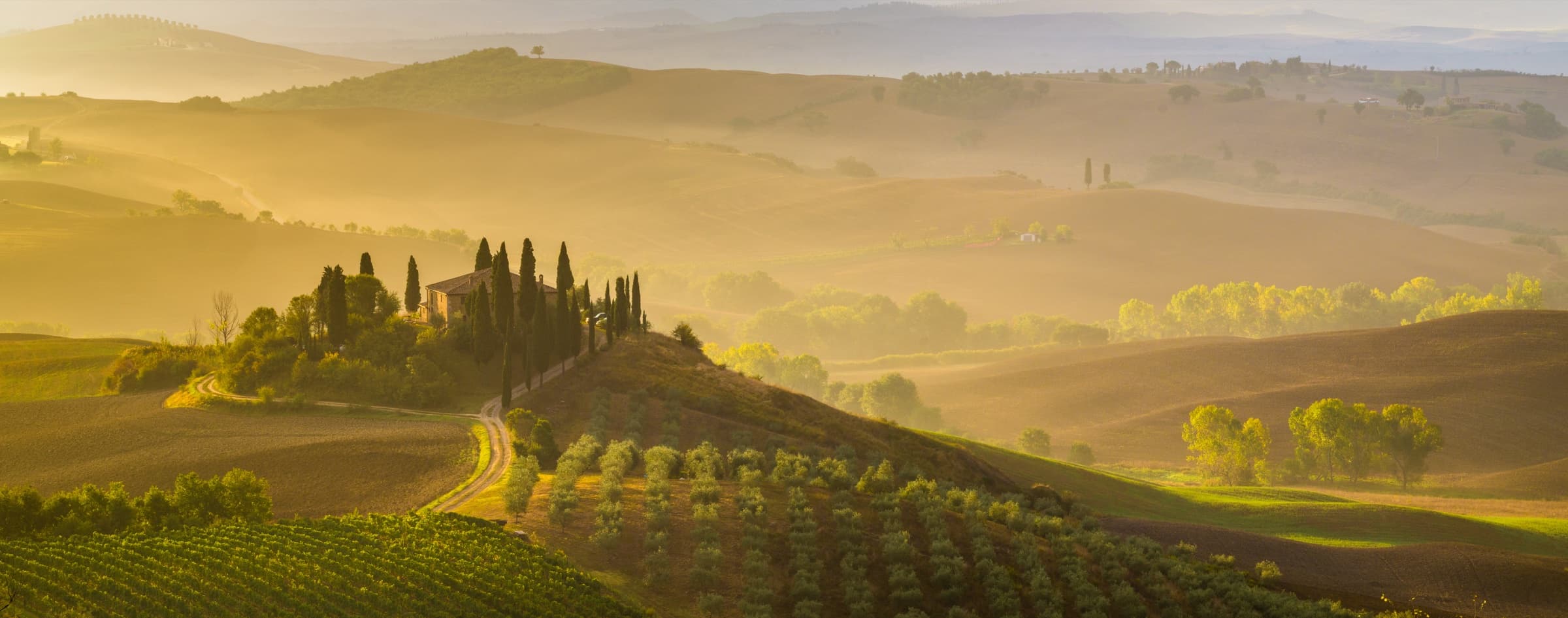
Tuscany
Where Rolling Hills and Renaissance Romance Create Your Perfect Italian Love Story
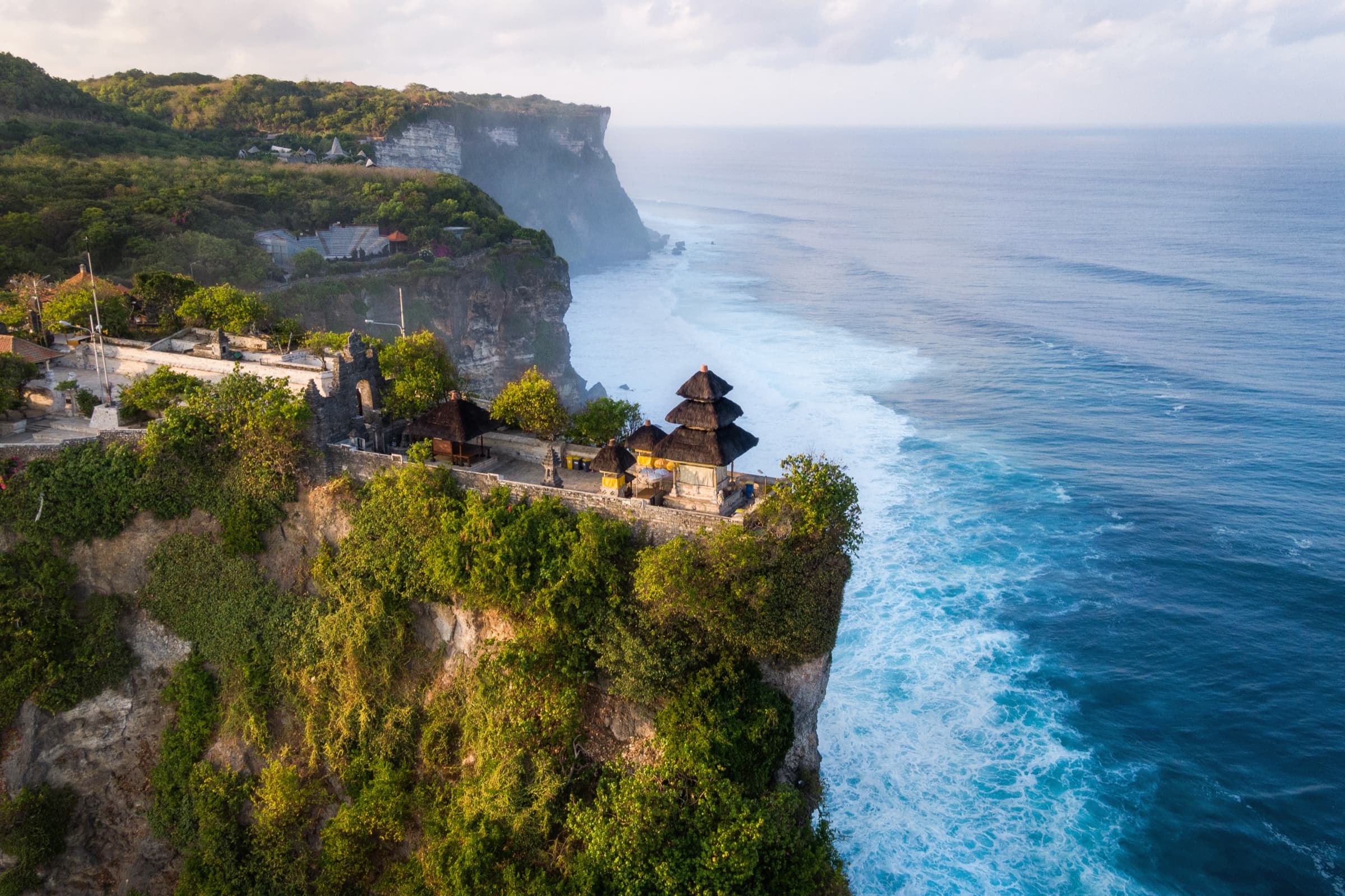
Bali
Where ancient temples meet tropical paradise, creating the perfect backdrop for your eternal love story
Cape Town
Say "I Do" Against the Backdrop of Table Mountain and Two Oceans
Thailand
Say "I Do" in the Land of Smiles – Where Ancient Temples, Golden Beaches, and Warm Hospitality Create the Perfect Wedding Paradise
Peru
Say "I Do" Among Ancient Wonders and Breathtaking Landscapes