Japan Wedding Venues & Planning Guide
Where ancient traditions meet modern romance in the land of cherry blossoms
Planning a destination wedding in Japan requires 12-18 months lead time, especially for cherry blossom season and autumn months (April, May, September-November). Budget $35,000-60,000 for 50 guests depending on your chosen venue and region. Consider iconic venues like the Ritz-Carlton Kyoto for luxury celebrations or traditional options like Gion Hatanaka ryokan for authentic Japanese experiences.
- Typical cost
- $35,000-60,000 for 50 guests
- Best months
- April, May, September, October, November
- Average temp
- Spring/Fall: 60-75°F, Summer: 75-85°F, Winter: 35-50°F
- Timezone
- Japan Standard Time (JST), UTC+9
- Currency
- Japanese Yen (JPY)
- Language
- Japanese (English widely spoken in tourist areas)
On this destination.
Japan offers an enchanting blend of timeless traditions, breathtaking natural beauty, and sophisticated modern amenities that create an unforgettable destination wedding experience.
From intimate ceremonies in traditional ryokans surrounded by zen gardens to elegant celebrations in luxury hotels overlooking Mount Fuji, Japan provides diverse venues that honor both heritage and contemporary style.
The country's four distinct seasons offer stunning backdrops year-round, whether exchanging vows beneath cherry blossoms in spring or amid the golden maples of autumn.
Japanese hospitality, known as 'omotenashi,' ensures every detail of your special day is executed with meticulous care and genuine warmth.
What does a wedding
in Japan cost?
A wedding in Japan typically costs $35,000-60,000 for 50 guests, depending on guest count, season, and the kind of residence you choose.
- Traditional Ryokan
- $8,000-15,000
- Luxury Resort Hotels
- $12,000-25,000
- Historic Temples & Shrines
- $5,000-10,000
- Modern Event Spaces
- $10,000-20,000
- Castle Venues
- $15,000-30,000
Couples drawn to Japan often stay at nearby Thailand and Bali, Indonesia. Same weather window, a slightly different room.
Why we keep
Japan on the book.
Unparalleled Cultural Richness
Japan offers unique wedding traditions like sake ceremonies, traditional kimono attire, and Buddhist or Shinto blessings that create deeply meaningful celebrations honoring centuries of cultural heritage.
Exceptional Service Standards
Japanese hospitality is legendary, with meticulous attention to detail and anticipatory service ensuring your wedding day unfolds flawlessly while you focus on celebrating your love.
Diverse Stunning Venues
From ancient temples and traditional gardens to modern luxury resorts and mountain retreats, Japan provides an incredible variety of venues to match any couple's vision.
Four-Season Beauty
Each season in Japan offers distinct natural beauty - spring cherry blossoms, summer festivals, autumn maple leaves, and winter snow-capped landscapes - creating considered backdrops year-round.
Where a wedding
stays in Japan.
Traditional Ryokan
Historic Japanese inns with tatami mat rooms, zen gardens, hot springs, and authentic architecture perfect for intimate ceremonies steeped in cultural tradition
- Gion Hatanaka — Historic Kyoto ryokan with traditional gardens and tea ceremony spaces
- Hoshinoya Kyoto — Luxury riverside ryokan offering intimate ceremonies in traditional settings
Luxury Resort Hotels
High-end international hotels in destinations like Hakone and Nara offering sophisticated ballrooms, spa services, and concierge wedding planning with mountain or garden views
- The Ritz-Carlton Kyoto — Elegant ballrooms overlooking Kamogawa River with Mount Fuji views
- Aman Tokyo — Minimalist luxury hotel with sophisticated event spaces and garden venues
Historic Temples & Shrines
Sacred venues like Kiyomizu-dera in Kyoto or Meiji Shrine in Tokyo providing spiritual ceremonies in stunning traditional architecture with deep cultural significance
- Kiyomizu-dera Temple — UNESCO World Heritage temple with panoramic city views in Kyoto
- Meiji Shrine — Tokyo's most famous Shinto shrine surrounded by ancient forest grounds
Modern Event Spaces
Contemporary venues in Tokyo and Osaka featuring sleek design, city skyline views, and state-of-the-art facilities for couples preferring modern elegance
- Tokyo Station Hotel — Historic railway hotel with contemporary ballrooms and city skyline views
- Conrad Tokyo — Modern luxury with floor-to-ceiling windows overlooking Tokyo Bay
Castle Venues
Reconstructed Japanese castles offering regal settings with traditional architecture, manicured gardens, and panoramic views for truly majestic celebrations
- Osaka Castle Park — Reconstructed castle grounds with traditional architecture and manicured gardens
- Kumamoto Castle — Historic fortress offering regal settings with panoramic countryside views
Getting there,
without friction.
- NRT
- Narita International Airport (Tokyo)1 hour to Tokyo, 2.5 hours to Kyoto
- HND
- Haneda Airport (Tokyo)30 minutes to Tokyo, 2.5 hours to Kyoto
- KIX
- Kansai International Airport (Osaka)1 hour to Osaka, 1.5 hours to Kyoto
- NGO
- Chubu Centrair International Airport (Nagoya)45 minutes to Nagoya, 2 hours to Tokyo
From the US11-14 hours from West Coast, 13-16 hours from East Coast
US citizens can visit Japan visa-free for up to 90 days for tourism purposes. A valid passport is required with at least 6 months remaining validity.
Excellent public transportation including JR Pass for unlimited train travel, efficient subway systems in major cities, and reliable taxi services. Rental cars available but not typically necessary.
Foreign couples face significant bureaucratic hurdles for legal marriage in Japan, requiring a Certificate of Legal Capacity to Contract Marriage (Konin Yoken Gubi Shomeisho) from their home country's embassy or consulate, which can take 4-6 weeks to obtain. Additional requirements include valid passports, birth certificates, divorce decrees if applicable, and all documents must be officially translated into Japanese and apostilled. The marriage registration process involves submitting a Konin Todoke form to the local municipal office, but navigating Japanese bureaucracy without fluency can be challenging. Most international couples opt for a symbolic ceremony in Japan while completing legal paperwork in their home country before or after their celebration, allowing them to enjoy Japan's cultural beauty without legal complications.
The seasons in
Japan.
Spring
50-70°F
Cherry blossom season with mild temperatures and occasional rain showers. Peak bloom typically occurs in early April, creating Japan's most iconic wedding backdrop.
IdealSummer
75-85°F
Hot and humid with frequent rainfall during rainy season (mid-June to mid-July). Summer festivals and vibrant green landscapes, but can be uncomfortable for outdoor events.
FairAutumn
55-75°F
Pleasant temperatures with spectacular fall foliage. Clear skies and comfortable weather make this one of the best times for outdoor celebrations.
IdealWinter
35-50°F
Cool and dry with occasional snow, especially in northern regions. Clear skies offer stunning views of snow-capped Mount Fuji.
GoodCustoms, in Japan.
- 01
Consider incorporating traditional Japanese wedding elements like the san-san-kudo sake ceremony, where couples take three sips from three cups to symbolize their union
- 02
White is traditionally associated with purity in Japanese weddings, making it appropriate for bridal attire, while red symbolizes good fortune and is often used in decorative elements
- 03
Gift-giving etiquette is important - wedding guests typically give money in special envelopes called 'shugi-bukuro,' usually in odd amounts like $300 or $500
- 04
Bowing is a sign of respect - your wedding party should be prepared to bow when meeting vendors, venue staff, and during traditional ceremonies
- 05
Remove shoes when entering traditional venues like temples, shrines, or ryokans - consider this when planning your wedding day footwear and timeline
- 06
Photography restrictions may apply at sacred sites - always confirm photo policies with temple or shrine officials before the ceremony
- 07
Seasonal awareness is crucial for planning - each season has specific cultural significance and traditional elements that can enhance your celebration
Local flavours,
for the long lunch.
Traditional Kaiseki
Multi-course haute cuisine featuring seasonal ingredients presented as edible art, perfect for formal wedding banquets with sophisticated palates
Fresh Sushi & Sashimi
World-renowned fresh seafood prepared by master chefs, offering an authentic taste of Japan's culinary excellence for reception dining
Wagyu Beef
Premium Japanese beef known for its exceptional marbling and flavor, providing an luxurious main course option for wedding celebrations
Tempura Selection
Lightly battered and perfectly fried vegetables and seafood that offers familiar flavors while maintaining Japanese authenticity
Sake & Japanese Whisky
Premium local beverages including ceremonial sake for traditional toasts and award-winning Japanese whisky for cocktail receptions
Planners in
Japan.
Satori Weddings Japan
Specializing in traditional Japanese ceremonies and cultural wedding experiences throughout Japan
Tokyo Wedding Company
Full-service planning for luxury destination weddings in Tokyo and surrounding regions
Kyoto Bridal International
Expert planners focusing on temple weddings and traditional ryokan celebrations
Comparing studios? Browse the full destination wedding planner book — every planner on Aisle, grouped by region.
Asked about Japan.
Can we have a legally recognized wedding ceremony in Japan?+
Legal marriage in Japan for foreign couples involves complex bureaucracy that most international couples find prohibitive. You'll need a Certificate of Legal Capacity to Contract Marriage from your home country's embassy or consulate in Japan, which requires 4-6 weeks processing time and costs $50-200 depending on your nationality. Additional requirements include birth certificates, divorce decrees if applicable, valid passports, and all documents must be professionally translated into Japanese and apostilled, adding $500-1,000 to costs. The actual registration involves submitting a Konin Todoke form to the local municipal office where the ceremony takes place, but language barriers and bureaucratic procedures can be overwhelming. Most couples choose symbolic ceremonies instead, which capture all the beauty and cultural significance of Japanese wedding traditions without legal complications. You can complete your legal marriage before traveling to Japan or after returning home, then focus on enjoying your dream celebration. This approach allows you to incorporate meaningful elements like sake ceremonies, traditional kimono, and temple blessings while avoiding months of paperwork and potential delays that could affect your wedding timeline.
What's the best time of year for a destination wedding in Japan?+
Spring (April-May) and autumn (September-November) offer optimal conditions, but each season presents unique advantages depending on your vision and priorities. Cherry blossom season in early April creates Japan's most iconic wedding backdrop, but venues book 18+ months in advance and prices increase 30-50% during peak bloom. Late April through May offers lingering blossoms with better availability and slightly lower costs. Autumn, particularly October-November, provides excellent weather with comfortable 60-70°F temperatures and spectacular fall foliage, making it ideal for outdoor ceremonies and photography. September can be warm but offers fewer crowds and competitive pricing. Summer (June-August) brings challenges including rainy season in June-July and high humidity, but indoor venues with gardens like the Ritz-Carlton Kyoto or traditional ryokans provide comfortable alternatives at lower rates. Winter (December-February) offers unique charm with snow-capped Mount Fuji views and cozy indoor celebrations, plus significant cost savings on venues and accommodations. Consider your guest comfort, photography preferences, and budget when choosing - autumn typically provides the best balance of weather, scenery, and logistics for most couples.
How much should we budget for guest accommodations in Japan?+
Accommodation costs vary dramatically by location, season, and hotel category, requiring careful planning to manage your guests' expenses. In Tokyo and Kyoto, quality hotels range $200-500 per night during peak seasons, while business hotels offer decent options at $100-200 nightly. Traditional ryokans provide unique cultural experiences at $300-800 per night including kaiseki meals, making them worthwhile splurges for close family. Consider regional destinations like Hakone or Nara where luxury resorts cost $250-400 nightly compared to $400-600 in major cities. Booking blocks 6-8 months ahead can secure group rates with 10-15% discounts and complimentary room upgrades. Cherry blossom season commands premium pricing with minimum 3-night stays, while autumn offers better value despite high demand. Budget-conscious options include capsule hotels ($50-80) for adventurous guests or Airbnb properties ($80-150) for longer stays. Many couples create tiered accommodation lists suggesting luxury, mid-range, and budget options in different neighborhoods. Factor in Japan Rail Pass costs ($280-450 for 7-14 days) for guests exploring multiple cities. Overall, guests should budget $150-300 daily for accommodation and meals, with many couples contributing toward accommodations for immediate family members to encourage attendance.
Do we need to speak Japanese to plan a wedding there?+
While Japanese language skills enhance your planning experience, they're not essential with proper preparation and professional support. Major hotels like the Ritz-Carlton, Conrad, and international chains have dedicated English-speaking wedding coordinators familiar with foreign couples' needs and can navigate cultural nuances seamlessly. However, hiring a bilingual wedding planner familiar with local vendors becomes crucial when working with traditional venues, temples, or regional ryokans where English proficiency varies. These coordinators typically charge $2,000-5,000 but save significant time and prevent costly miscommunications. Learn basic Japanese phrases for politeness during vendor meetings - simple greetings and thank-you expressions demonstrate respect and improve relationships. Download translation apps like Google Translate with camera features for reading contracts or menus, though always have important documents professionally translated. Many venues provide English contracts and menus, but traditional elements like sake ceremony instructions or temple protocols require cultural interpretation beyond literal translation. Consider taking conversational Japanese lessons if planning an extended engagement period - even basic skills help with daily logistics like transportation and dining. Your wedding coordinator should accompany you to all major vendor meetings and site visits, ensuring nothing gets lost in translation during critical planning decisions that affect your celebration's success.
What unique Japanese wedding traditions can we incorporate?+
Japanese wedding traditions offer meaningful elements that create deeply personal and culturally rich celebrations beyond typical Western ceremonies. The san-san-kudo sake ceremony represents your union's spiritual foundation, where couples take three sips from three differently-sized cups representing your past, present, and future together - this can replace or complement traditional ring exchanges. Consider wearing traditional attire: brides in white shiromuku kimono symbolizing purity and new beginnings, or colorful uchikake over white kimono, while grooms wear formal montsuki hakama. The tsuno-kakushi headdress traditionally covers the bride's 'horns of jealousy' and ego, symbolizing becoming a gentle wife. Paper crane releases represent longevity and good fortune - provide materials for guests to fold cranes during cocktail hour, then release them together. Seasonal incorporation is essential: cherry blossoms in spring, bamboo and flowing water in summer, maple leaves in autumn, or pine and plum blossoms in winter. The ring warming ceremony, where guests hold and bless your rings while you greet tables, adapts quietly to Japanese hospitality concepts. Traditional gift presentations include origami butterflies (representing the bride and groom's souls) or sake barrel breaking (kagami-biraki) for prosperity. Consider hiring traditional musicians playing koto or shamisen, or taiko drummers for dramatic entrances. Buddhist or Shinto blessing ceremonies add spiritual significance even in secular venues, while tea ceremony demonstrations honor Japanese cultural heritage and mindfulness in your celebration.
How far in advance should we plan our Japan destination wedding?+
Planning timelines for Japan destination weddings require longer lead times than most international destinations due to seasonal demand, cultural considerations, and logistical complexity. Book 18+ months ahead for cherry blossom season (early April) when venues like Kyoto's temples and luxury hotels reach capacity quickly, with popular dates often reserved two years in advance. Autumn weddings need 12-15 months planning time as September-November represents peak travel season with comfortable weather and stunning fall colors. Summer and winter weddings allow 8-12 months lead time with more flexibility and better vendor availability. Start with venue selection since availability drives all other decisions - iconic locations like Kiyomizu-dera Temple or the Ritz-Carlton Kyoto require early booking regardless of season. Engage bilingual wedding coordinators 12+ months ahead to secure relationships with preferred vendors, as the best photographers, florists, and caterers maintain busy schedules year-round. Guest accommodations need 6-8 months advance booking for group rates and prime locations, especially during festival seasons or holidays. Factor additional time for legal documentation if pursuing official marriage registration, requiring 2-3 months for embassy paperwork and translations. Seasonal vendor considerations include cherry blossom photographers booking 15+ months ahead, while kimono rental reservations need 6-8 months advance notice for premium selections. International shipping for wedding attire, favors, or décor requires 4-6 weeks, so finalize details early to avoid delays.
Bring a season.
We will bring Japan.
Answer four questions — budget, season, guest count, feel — and a shortlist of Japan residences comes back in about a minute. No sign-up needed.
Thailand
Say "I Do" in the Land of Smiles – Where Ancient Temples, Golden Beaches, and Warm Hospitality Create the Perfect Wedding Paradise
Bali
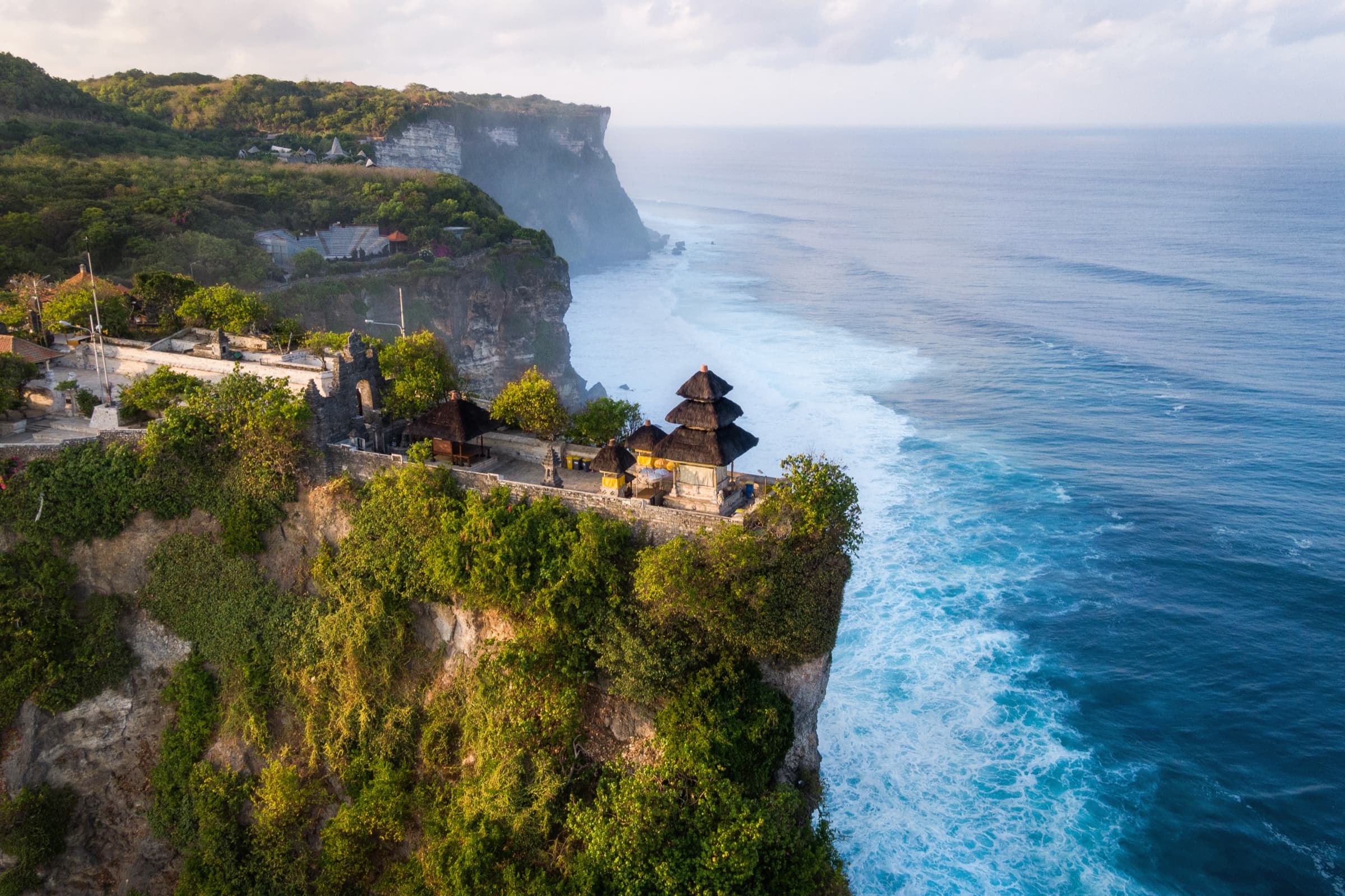
Where ancient temples meet tropical paradise, creating the perfect backdrop for your eternal love story
Hawaii
Say "Aloha" to Forever in Paradise
New Zealand
Say "I Do" Amidst New Zealand's Breathtaking Landscapes and Warm Kiwi Hospitality
Iceland
Say "I do" surrounded by Iceland's otherworldly beauty — where glacial elegance meets volcanic romance
Swiss Alps
Exchange vows amidst snow-capped peaks and pristine alpine meadows in one of Europe's most breathtaking mountain settings